

Why Local Roasters Matter for Freshness
Table of Contents
- Why Local Roasters Matter for Freshness
- How to Tell If Coffee Beans Are Fresh
- The Role of Roast Dates in Peak Flavor
- Understanding Coffee Roast Date vs Expiration Date
- How to Store Coffee Beans for Maximum Freshness
- Small-Batch Roasting and Quality Control
- The Freshness Window: Brewing Method Matters
- Conclusion
Why Local Roasters Matter for Freshness
The difference between a fresh cup and a stale one comes down to one critical factor: how recently the beans were roasted. When you understand why local roasters matter for freshness, you unlock the real secret to exceptional coffee. Most people assume all roasted coffee is created equal, but the timeline from roaster to cup determines everything about flavor, aroma, and the overall sensory experience.
Local roasters excel at this because they control the entire supply chain. They roast on demand, often shipping within days of roasting. This stands in sharp contrast to mass-produced commodity coffee, which sits in warehouses for weeks or months before reaching your kitchen. The moment beans leave the roaster, they begin losing volatile oils and aromatic compounds that define great coffee.
At Coffee Depot, we've built our entire model around this principle. Your coffee is not brewed until you order it, it's roasted to order as well. This means the beans arrive at your door in their peak freshness window, when the flavor profile is most vibrant and the sensory experience is unforgettable. Small-batch roasting operations understand that freshness isn't a marketing claim; it's a measurable difference in cup quality.
How to Tell If Coffee Beans Are Fresh
The most reliable way to assess freshness is to examine the roast date and evaluate the beans themselves. Fresh coffee beans display visible shine and vibrant color immediately after roasting. As beans age, they lose luster and their color becomes dull. The surface should feel slightly oily to the touch, which indicates that aromatic compounds remain intact.
Check the roast date on the bag. Beans roasted within the last two weeks are in their prime freshness window. Beyond four weeks, you're consuming coffee that has already begun to degrade. The best local roasters print the roast date prominently because they're proud of it, it's proof of their commitment to quality.
Smell the beans before brewing. Fresh coffee emits a rich, complex aroma with notes specific to the origin and roast profile. Stale beans smell flat or cardboard-like. If you're opening a bag and the aroma is weak, the volatile oils have already oxidized away. This is the sensory signal that degradation has occurred.
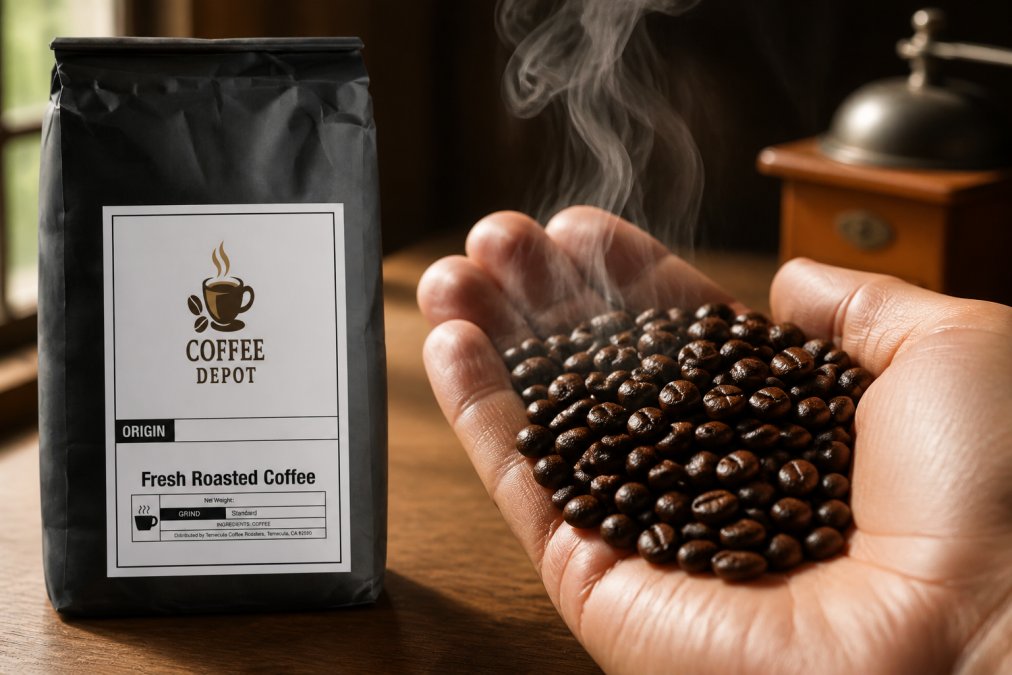
Taste is the final test. Fresh coffee brewed at the correct temperature produces a clean, bright cup with distinct flavor notes. Stale coffee tastes muted, bitter, or flat. The acidity and body that define quality coffee fade as aromatic compounds break down through oxidation.
The Role of Roast Dates in Peak Flavor
The roast date is the single most important piece of information on a coffee bag. It tells you exactly when the roasting process was completed, the moment when heat transformed green beans into the brown beans you brew. Understanding the roast date is essential because it directly determines which flavor profile you'll experience.
Immediately after roasting, beans are still degassing. Carbon dioxide is actively leaving the bean structure for 24 to 72 hours (peer-reviewed research). This degassing process is crucial to understand because it affects brew quality. Coffee brewed too soon after roasting can taste sharp or overly bitter. Coffee brewed too late tastes hollow and lacks the complexity that defines specialty coffee.
The peak freshness window for most brewing methods falls between three and twenty-one days after roasting (peer-reviewed research). During this window, the beans have finished significant degassing but retain their volatile oils and aromatic compounds. This is when you experience the full flavor profile that the roaster intended. The acidity is bright, the body is clean, and the sweetness comes through clearly.
Local roasters understand this timing intimately because they're constantly managing it. They know their specific roasting schedule, their bean origins, and how each variable affects the degassing timeline. This is why small-batch roasting produces superior results, consistency and knowledge compound into better cups.
After the freshness window closes, oxidation accelerates. Beans exposed to oxygen begin losing aromatic compounds. The flavor profile flattens. What was once complex becomes one-dimensional. This is why mass-produced coffee, which sits in distribution channels for weeks, never achieves the depth that fresh-roasted coffee delivers.
Understanding Coffee Roast Date vs Expiration Date
These two dates serve completely different purposes, and understanding the distinction is critical. The roast date tells you when the beans were roasted. The expiration date, when present, is a legal or manufacturer guideline for when the product is no longer guaranteed to be safe to consume.
Coffee doesn't truly "expire" in the way perishable foods do. It doesn't develop mold or bacteria that make it unsafe. Instead, it degrades in quality. The flavor fades, the aroma diminishes, and the sensory experience deteriorates. This is why roast date matters far more than expiration date for coffee enthusiasts.
Many commodity coffee brands print an expiration date that's 12 to 18 months after roasting (the FDA). This is a legal safeguard, not a freshness indicator. Coffee from that bag will be safe to drink at month 14, but it will taste nothing like it did at week three. The volatile oils will be long gone. The aromatic compounds will have oxidized. You're left with a hollow shadow of what the coffee could have been.
Local roasters and specialty coffee operations prioritize the roast date because it's the only date that actually matters for taste. They ship quickly because they understand that days matter, not months. When you see a bag from a local roaster with a roast date from last week, you're looking at coffee in its prime.
The best approach: ignore the expiration date entirely and focus on the roast date. If the roast date is more than three weeks old and you're buying whole beans, pass. If it's less than two weeks old, you're in the optimal window. This simple rule eliminates the guesswork and ensures you're always brewing coffee at peak flavor.
How to Store Coffee Beans for Maximum Freshness
Storage conditions directly impact how quickly beans degrade after roasting. The enemies of freshness are oxygen, light, heat, and moisture. Each one accelerates the oxidation process and degrades the volatile oils that define coffee quality.
Use airtight containers designed for coffee storage. A container with a one-way valve allows carbon dioxide to escape during degassing while preventing oxygen from entering. This is ideal for the first few days after roasting. After the degassing phase, a truly airtight container with no valve is better because it minimizes oxygen exposure.
Keep beans away from direct sunlight and heat sources. Light accelerates oxidation. Heat speeds up the degradation of aromatic compounds. Store your coffee in a cool, dark place, ideally a pantry or cabinet away from the stove or windows. Room temperature is fine; refrigeration is unnecessary and can introduce moisture if condensation forms when you open the container.
Avoid storing beans in the freezer unless you're planning to keep them for several months. Freezing slows degradation but introduces moisture problems. Every time you remove beans from the freezer and they warm up, condensation forms on the surface. This moisture promotes oxidation and can introduce mold risk. For coffee you'll use within a month, room-temperature storage in an airtight container is optimal.
Buy whole beans instead of pre-ground coffee. Ground coffee has vastly more surface area exposed to oxygen, which accelerates degradation dramatically. A whole bean maintains its freshness far longer. Grind immediately before brewing for maximum flavor extraction and sensory impact.
Small-Batch Roasting and Quality Control
Small-batch roasting operations roast in smaller quantities with tighter control over variables. This is fundamentally different from mass production, where consistency is achieved through standardized processes applied to enormous volumes. Small-batch roasters achieve consistency through expertise, attention, and direct oversight.
Each roast batch is monitored by a human roaster who makes real-time adjustments. They listen to the crack sounds that indicate roast progression. They watch color development through the roasting drum. They understand how each origin behaves differently and adjust heat and timing accordingly. This level of control is impossible in automated mass-production facilities.
Quality control in small-batch operations starts with bean selection. Roasters source from specific farms or regions they know intimately. They understand the altitude, climate, and processing methods that created those beans. This supply chain transparency means they know exactly what they're working with. They can predict how each batch will behave during roasting.
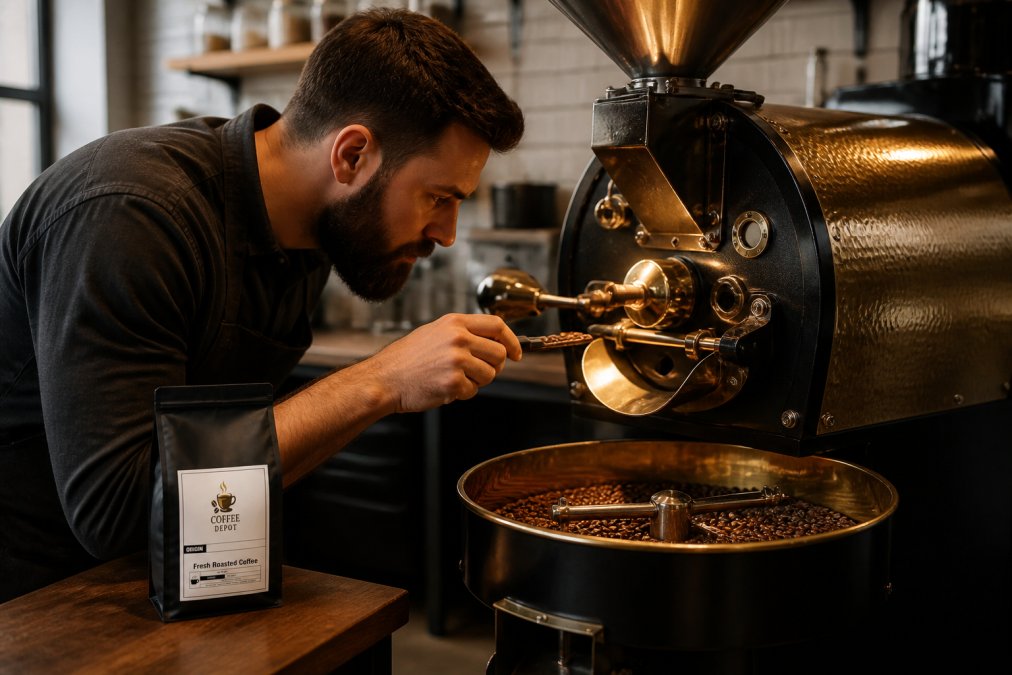
The roasting schedule is where small-batch operations demonstrate their commitment to freshness. They roast frequently in small quantities rather than roasting massive batches infrequently. This means beans spend minimal time sitting between roasting and shipping. The supply chain moves fast because volume is manageable.
Consistency in small-batch roasting comes from knowledge, not automation. The roaster understands their equipment intimately. They know how ambient temperature affects roast times. They understand how bean density and moisture content influence heat absorption. They've developed the skill to produce repeatable results despite these variables. This is why specialty coffee from skilled roasters tastes consistent, it's the result of mastery, not machinery.
Mass-produced coffee achieves consistency through standardization, but this often means sacrificing peak freshness. Beans are roasted in enormous batches, then stored in warehousing, then distributed through retail channels. By the time they reach consumers, weeks have passed. The consistency is there, but the freshness is gone.
The Freshness Window: Brewing Method Matters
Different brewing methods have different optimal freshness windows. Understanding your brewing method helps you maximize flavor extraction and sensory experience. The degassing process and oxidation timeline vary based on how you prepare your coffee.
For espresso, the freshness window is shorter and more critical. Espresso requires precise extraction under pressure, and stale beans don't extract properly. Beans roasted three to fourteen days ago are ideal for espresso. Too fresh, and the carbon dioxide still trapped in the beans creates channeling and uneven extraction. Too old, and the beans lack the density needed for proper compression.
Pour-over and drip brewing methods are more forgiving. These methods work well with beans roasted anywhere from five to twenty-one days after roasting. The slower extraction time allows the water to pull flavor compounds effectively even if some volatile oils have degraded. The freshness window is wider because the brewing process is gentler.
French press brewing works best with beans roasted seven to twenty-one days after roasting. The immersion method requires beans that have mostly finished degassing but still retain aromatic compounds. Beans that are too fresh can produce an overly bitter cup because the carbon dioxide interferes with even saturation.
Cold brew requires the freshest possible beans because the cold water extraction process is slow and relies on extended contact time. Beans roasted two to four weeks ago are optimal. The extended brewing time, often 12 to 24 hours, means you need beans that still have volatile oils and aromatic compounds available for extraction.
Understanding your brewing method helps you time your coffee purchases. If you're an espresso drinker, buy beans roasted within the last two weeks. If you primarily use pour-over, you have more flexibility. This knowledge, combined with a local roaster who ships quickly, ensures you're always brewing in the optimal freshness window for your method.
When you prioritize freshness, every cup becomes noticeably better. Coffee Depot's roast-to-order model ensures your beans arrive in their peak freshness window, with roast dates printed clearly on every bag. Our expertly curated blends are roasted fresh and shipped directly to you, never sitting in warehouses or retail shelves. Explore our Best Sellers Sample Pack to experience the difference that true freshness makes, and join a community of coffee enthusiasts who understand that why local roasters matter for freshness is the foundation of exceptional coffee. Every purchase supports our commitment to quality and community, we donate $1 from every item sold to charity.

Frequently Asked Questions
Q: How long after roasting should you wait to brew coffee?
A: Most specialty coffee reaches peak flavor 5-7 days after the roast date, once degassing completes. This is called the freshness window. Brewing immediately after roasting often results in over-extraction and bitter notes because carbon dioxide still trapped in the beans affects water absorption. Local roasters time their roast-to-order schedules to hit this window perfectly when beans arrive at your door, ensuring optimal aromatic compounds and flavor profile.
Q: What is the difference between a roast date and an expiration date?
A: A roast date tells you exactly when the beans were roasted, marking the beginning of freshness. An expiration date (if listed) is a conservative estimate of when the coffee becomes stale. Specialty coffee remains flavorful for 4-6 weeks from the roast date when stored properly, but peak freshness occurs within the first 2-3 weeks. Local roasters emphasize roast dates because freshness is their competitive advantage; mass-produced coffee relies on expiration dates to hide how long beans have sat in storage.
Q: How do I know if coffee beans are actually fresh when they arrive?
A: Check the roast date on the bag first, it should be within 2-3 weeks. Fresh beans have a visible oily sheen and vibrant color; dull or faded beans indicate oxidation and flavor loss. Smell them: fresh coffee has strong aromatic compounds and a sweet, complex aroma. Listen when you open the bag, fresh beans often release a slight hiss as residual carbon dioxide escapes. Coffee Depot ships within days of roasting, so arrival freshness is guaranteed.
Q: Why does supply chain transparency matter for coffee freshness?
A: When you buy from a local roaster, the supply chain is short and controlled. You know exactly when your coffee was roasted and how long it spent in transit. Mass-produced coffee passes through multiple warehouses, distributors, and retailers, sometimes sitting for months before reaching shelves. This extended journey causes bean degradation and flavor loss through oxidation and volatile oil breakdown. Local roasters' direct-to-customer model eliminates these delays, preserving the sensory experience and peak freshness that specialty coffee demands.
This article was written using GrandRanker