

Dunn Brothers Alternatives for Home Delivery
Table of Contents
- Why Coffee Home Delivery Matters for Freshness
- Where to Buy Fresh Roasted Coffee Online
- Best Coffee Subscription Services for Home Delivery
- Coffee Depot: Roast-to-Order Home Delivery
- Troubleshooting Delivery Failures and Quality Issues
- Pricing Comparison and Shipping Costs
- Conclusion
- Frequently Asked Questions
Last Updated: August 31, 2026
Why Coffee Home Delivery Matters for Freshness
The moment coffee is roasted, it begins to lose its peak flavor. Within two weeks, the aromatic compounds that make freshly roasted coffee exceptional start to fade (peer-reviewed research). This is why coffee home delivery has become essential for enthusiasts who refuse to compromise on quality.
When you order from a local café, you're often buying beans that were roasted days or weeks ago. Grocery store coffee sits even longer, sometimes months. By the time it reaches your cup, the complexity and brightness that defined the roast are already gone. Coffee home delivery solves this problem by putting fresh-roasted beans directly in your hands within days of roasting, not weeks.
The difference isn't subtle. A coffee roasted three days ago tastes noticeably brighter and more complex than one roasted three weeks ago. The crema holds better. The aromatics pop. For remote workers and coffee enthusiasts who spend time with their morning brew, this freshness matters every single day.
Where to Buy Fresh Roasted Coffee Online
Finding reliable sources for fresh roasted coffee online requires understanding the difference between direct-to-consumer ordering and third-party delivery platforms. Each approach has distinct advantages and trade-offs that directly affect both freshness and convenience.
Direct-to-Consumer Ordering vs. Third-Party Delivery Apps
Direct-to-consumer ordering means buying straight from the roaster's website. This is the gold standard for freshness because the roaster controls the entire chain from roasting to shipping. You order on Monday, they roast on Tuesday, it ships Wednesday, and arrives Friday. The timeline is predictable and the beans never sit in a warehouse or distribution center.
Third-party delivery apps like DoorDash or Instacart offer convenience but come with hidden costs. These platforms take a cut of every order, which roasters pass along to you through higher prices. More importantly, coffee sitting in a fulfillment center for days loses freshness. If you order through an aggregator on Monday but the roaster doesn't fulfill until Thursday, you've already sacrificed three days of peak flavor.
The real advantage of direct ordering emerges over time. A subscription to a roaster's website typically costs less per bag than buying the same coffee through a third-party app. You also get better communication about roast dates and upcoming releases. Many roasters offer exclusive blends only available through their website.
Coffee Freshness Preservation During Transit
Transit time is the hidden variable that separates excellent coffee from mediocre coffee. A two-day shipping window preserves freshness far better than a five-day window, but most standard shipping takes three to five days.
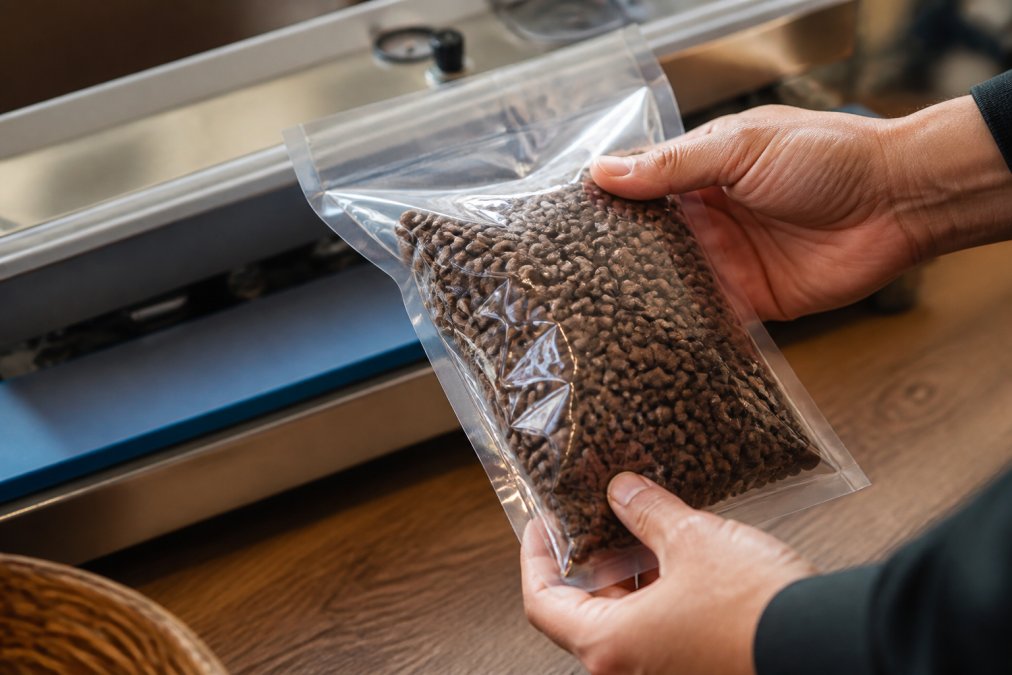
Quality roasters use vacuum-sealed bags with one-way valves. These valves let carbon dioxide escape (which coffee releases for 24-48 hours after roasting) while preventing oxygen from entering. This is why a vacuum-sealed bag of fresh roasted coffee remains peak-quality for up to two weeks after roasting, even in transit (peer-reviewed research).
Some roasters use nitrogen flushing, which removes oxygen from the bag before sealing. This extends freshness even further. The best roasters do both: they use nitrogen flushing and one-way valves, then ship via expedited service. This combination keeps beans at peak quality when they arrive at your door.
Temperature matters too. Coffee shipped during summer months in uninsulated packaging can develop subtle off-flavors from heat exposure. Premium roasters use insulated mailers or ship only during cooler months. This attention to detail is what separates roasters serious about freshness from those just moving inventory.
Best Coffee Subscription Services for Home Delivery
Subscription services for coffee home delivery come in two categories: roast-to-order services that brew nothing until you order, and pre-roasted subscription boxes that ship on a fixed schedule. The roast-to-order model preserves maximum freshness. The subscription box model offers convenience and discovery but sacrifices some freshness in exchange.
Subscription vs. On-Demand Ordering
A true subscription service commits you to a recurring order. You might receive a bag of coffee every two weeks or monthly. The advantage is predictability and usually a discount compared to one-time purchases. Many roasters offer subscriptions at 10-15% below the regular price, which adds up significantly over a year (sca.coffee).
On-demand ordering gives you complete flexibility. You order whenever you want, pay full price, and receive the coffee within the standard shipping window. This works perfectly for remote workers who want to experiment with different roasts without committing to a subscription. The downside is you pay more per bag and you have to remember to order before you run out.
The hybrid approach is best for most people: subscribe to your favorite roast at a discount, then order on-demand when you want to try something new. This balances freshness, cost, and flexibility.
Coffee Depot: Roast-to-Order Home Delivery
Coffee Depot embodies the roast-to-order philosophy. Coffee is not brewed until you order it. This means when you place an order, the beans are roasted specifically for you, then shipped directly to your door. No warehouse sitting. No pre-roasting. Just fresh coffee on your schedule.
The brand offers expertly curated blends roasted in small batches. Each blend is designed for a specific brewing method and flavor preference. The 6Bean Blend works beautifully for espresso lovers, while the Breakfast Blend suits drip coffee drinkers who want a smooth, approachable cup. Coffee Depot also sources ethically, with beans selected from specific farms and regions.
What sets Coffee Depot apart is the commitment to community. The brand donates $1 from every item sold to charity. This means when you order a bag of coffee or a sample pack, you're supporting local causes while getting exceptional coffee. For socially conscious consumers, this alignment matters as much as the taste.
How to Order Online and Track Delivery
Ordering from Coffee Depot is straightforward. Visit the website, browse the available roasts, and select your preferred grind preference and roast level. The roaster offers whole beans, pre-ground for common brewing methods, or custom grinds. Choose your quantity and add to cart.
Once you order, Coffee Depot roasts your coffee within 24 hours and ships it within 48 hours. You receive tracking information immediately, so you know exactly when to expect delivery. Most orders arrive within 3-5 business days depending on your location.
The order tracking system shows real-time updates. You can see when your coffee ships, when it enters the delivery network, and when it's out for delivery. This transparency is rare in the coffee industry and reflects Coffee Depot's confidence in their freshness guarantee.
Sample Packs and Single-Serve Capsule Options
For remote workers who want to explore without committing to full bags, Coffee Depot offers sample packs. The Best Sellers Sample Pack includes six 2oz bags of their most popular roasts: 6Bean Blend, Cowboy Blend, Breakfast Blend, Peru, Mexico, and Bali. This is priced at $24.99 and gives you a complete tour of their roasting philosophy.
The Single Origin Favorites Sample Pack features six different single-origin coffees: Brazil Santos, Colombia, Costa Rica, Ethiopia, Honduras, and Tanzania. Each 2oz bag highlights the unique characteristics of its origin. This pack costs $24.99 and is ideal for coffee enthusiasts who want to understand how terroir shapes flavor.
For those using single-serve brewing systems, Coffee Depot offers the 12 Pack Single Serve Coffee Capsules at $20.25. These are vacuum-sealed capsules filled with their Original Roast blend. The improved filter design keeps grounds contained while delivering a well-balanced cup. Each capsule preserves freshness until you brew it, making single-serve coffee taste dramatically better than stale pre-made pods.
The Mexico Coffee Pods at $17.50 offer a single-origin option for single-serve brewers. Sourced from the Chiapas region, these pods deliver tasting notes of lemon, brown sugar, and dark chocolate. For remote workers who want convenience without sacrificing quality, single-serve capsules from Coffee Depot bridge that gap perfectly.
Troubleshooting Delivery Failures and Quality Issues
Even with the best roasters, delivery problems happen. Understanding how to identify and resolve them ensures you get the fresh coffee experience you paid for.
If your coffee arrives stale or flat-tasting, the issue is usually transit time or temperature exposure. Stale coffee tastes muted and lacks the bright, complex aromatics of fresh roast. If this happens, contact the roaster immediately with your order number and describe the flavor profile. Reputable roasters like Coffee Depot will replace the order or refund you. Always photograph the roast date on the bag before brewing, this gives you evidence if freshness is the problem.
Delivery delays are common during peak season (fall and winter) or in rural areas. If your order hasn't arrived within the promised window, check the tracking number first. Sometimes packages get held at a regional distribution center due to weather or volume. If tracking shows no movement for 48 hours, contact the roaster's customer support with your tracking number. They can file a claim with the carrier or reship your order.
Damaged packaging during transit is rare but possible. If your bag arrives punctured or leaking, photograph it immediately and contact the roaster. Most will replace the order at no charge because damaged packaging means oxygen has compromised the coffee.
For subscription orders, if you forget to pause or cancel before a shipment processes, most roasters allow you to pause your subscription for one or two months without penalty. This is especially useful for remote workers who travel or experiment with different roasters. Always check your account settings before your renewal date.
Pricing Comparison and Shipping Costs
Understanding the true cost of coffee home delivery requires looking beyond the bag price. Shipping, subscription discounts, and service fees all factor into what you actually pay per cup.
Direct-to-consumer roasters typically charge between $14 and $22 per 12oz bag for specialty coffee. Coffee Depot's sample packs at $24.99 for six 2oz bags work out to roughly $16.65 per 12oz equivalent, making them competitively priced. Their single-serve capsules at $20.25 for twelve capsules cost about $1.69 per serving, which is reasonable for fresh-roasted single-serve coffee.

Shipping costs vary widely. Many roasters offer free shipping on orders over $35-50. Coffee Depot typically includes shipping in their pricing model, so you're not hit with surprise fees at checkout. This transparency is important, hidden shipping costs are a common complaint with online coffee ordering.
Third-party delivery apps charge service fees (typically 15-30% of the order total) plus delivery fees ($2-5). A $16 bag of coffee becomes $20-22 when you add these fees. This is why direct ordering saves money over time, especially if you're a regular buyer.
Subscription discounts range from 10-20% depending on the roaster and subscription frequency. A $16 bag becomes $12.80-14.40 with a typical subscription discount. Over a year, if you order one bag per week, the savings approach $150-200. For remote workers and coffee enthusiasts, this makes subscriptions economically sensible even if you only use them for one roast you love.
Sample packs represent the best entry point for trying a roaster. Coffee Depot's sample packs at $24.99 let you explore multiple roasts without committing to full bags. If you find roasts you love, switching to full-size orders or subscriptions drops the per-bag cost significantly.
Conclusion
Coffee home delivery isn't just convenience, it's the only way to experience coffee at its absolute peak. When you order from a roaster that doesn't brew until you order, freshness becomes a guarantee, not a hope. Coffee Depot delivers on this promise by roasting specifically for you, then shipping within 48 hours. With expertly curated blends, single-serve capsule options, and the assurance that $1 from every purchase supports your community, Coffee Depot transforms your daily brew into an unforgettable moment. Start with a sample pack to explore the difference fresh roasted coffee makes, then build your subscription around the roasts that become your daily ritual.

| Ordering Method | Freshness Level | Cost Per Bag | Best For |
|---|---|---|---|
| Direct roaster subscription | Highest | $12.80-14.40 | Regular drinkers, budget-conscious |
| Direct roaster on-demand | High | $16-22 | Experimenters, flexible schedules |
| Third-party delivery apps | Medium | $20-26 | Convenience seekers, infrequent buyers |
| Retail grocery store | Low | $8-12 | Casual drinkers, immediate needs |
Frequently Asked Questions
Q: How do I know if coffee is actually fresh roasted when ordering for home delivery?
A: Fresh roasted coffee should be shipped within days of roasting, not weeks. Look for roasters that display roast dates on packaging and ship directly to you. Coffee Depot roasts to order, meaning your beans are roasted after you place your order, then shipped immediately. This eliminates warehouse sitting time. Check tracking information to confirm transit time; anything under 5 days indicates genuinely fresh delivery. Vacuum-sealed packaging also preserves freshness by blocking oxygen exposure during shipping.
Q: What's the difference between ordering from a coffee subscription service versus a third-party delivery app?
A: Subscription services like Coffee Depot ship directly from the roaster, giving you fresher beans and potentially lower service fees than third-party platforms. Apps like DoorDash or Uber Eats add markups and service charges, plus your coffee may sit in a fulfillment center before delivery. Direct ordering means contact-free delivery to your doorstep within days of roasting. Subscriptions also offer customization of roast levels and grind preferences, while third-party apps may limit you to pre-packaged retail options already on shelves.
Q: Can I order coffee online without committing to a subscription plan?
A: Yes. Many roast-to-order services, including Coffee Depot, offer one-time purchases with no mandatory subscription. You can order single packs, sample packs, or bulk quantities whenever you want. This flexibility works well for remote workers and casual coffee drinkers who prefer not to be locked into monthly commitments. If you find a roast you love, you can reorder that exact blend repeatedly, but there's no penalty for skipping months or changing your selection.
Q: What should I do if my coffee arrives stale or damaged during home delivery?
A: Contact the roaster's customer support immediately with photos of the packaging and beans. Reputable roasters replace damaged orders at no charge or offer refunds. To prevent issues, check delivery windows and retrieve packages promptly, leaving coffee on a hot doorstep accelerates staleness. Request signature confirmation if you're concerned about package security. Choose roasters offering order tracking so you know exactly when delivery arrives. Most quality roasters guarantee freshness; if beans taste stale, they'll troubleshoot the cause, whether it's roast date, transit time, or storage.
This article was written using GrandRanker