

Fresh Coffee Beans Roasted Same Day: The Ultimate Guide
Table of Contents
- What Is Roast-to-Order Coffee and Why Freshness Matters
- How Long to Let Coffee Beans Rest After Roasting
- Roast to Order Coffee Beans: What Happens From Roaster to Your Door
- Best Online Coffee Roasters for Freshness: What Sets Them Apart
- How to Store Fresh Coffee Beans for Maximum Shelf Life
- Brewing Impact: Why Roast Age Affects Your Cup
- Getting Started With Fresh Roasted Coffee
- Conclusion
Last Updated: August 12, 2026
What Is Roast-to-Order Coffee and Why Freshness Matters
Roast-to-order coffee is roasted after you place your order, then shipped directly to your home while still in its optimal flavor window. This eliminates staleness, the problem that plagues most coffee. When beans sit in warehouses or on shelves for weeks or months, they lose the volatile compounds that create complexity, brightness, and depth. Your beans arrive days old, not months.
The difference is immediate. Fresh-roasted beans produce richer crema in espresso, fuller bloom in pour-over, and noticeably more vibrant tasting notes. Coffee Depot embodies this philosophy by roasting only after you order and shipping directly for maximum freshness.
The Science of Coffee Degassing
When coffee roasts, chemical reactions create carbon dioxide as a byproduct. After roasting stops, beans continue releasing CO2 through degassing, most aggressively in the first 12-24 hours, then gradually over days and weeks.
Carbon dioxide interferes with water extraction. When CO2 is still escaping, it creates resistance to water penetration, preventing full saturation and flavor extraction. The one-way valve on quality bags lets CO2 escape without letting oxygen in, which would cause oxidation and staling.
Understanding degassing is crucial because it directly affects when your beans reach peak flavor.
Peak Flavor Window
Most specialty-grade coffee reaches its peak flavor window between 5 and 30 days after roasting. Before day 5, aggressive CO2 release makes extraction inconsistent. After day 30, oxidation breaks down volatile flavor compounds, and the coffee tastes flat.
The ideal roast date ensures you're receiving beans during this optimal period. When you order from Coffee Depot, the roast date guarantees you're buying into peak flavor.
How Long to Let Coffee Beans Rest After Roasting
The resting period after roasting is typically 12-24 hours minimum before brewing, though optimal rest time depends on your brewing method and roasting profile. This allows initial CO2 to escape and the bean structure to stabilize.
The Resting Period Paradox
Beans roasted this morning and brewed this evening often produce sour, thin shots in espresso or under-extracted pour-overs. CO2 is still escaping too aggressively, creating channels that water rushes through without proper contact time. Wait too long, 45 days, and you've lost the bright, complex notes that made the roast worth buying.
The best-tasting beans are fresh enough to have volatile aromatics intact, but old enough that degassing has stabilized and the roasting profile has fully expressed itself. Roast-to-order services ship beans that are typically 3-5 days post-roast, a deliberate choice. By the time your order arrives, the beans are in that sweet spot where degassing is complete, flavor is fully developed, and you've got weeks of peak flavor ahead.
Brewing Method and Rest Time
Different brewing methods benefit from different rest periods:
- Espresso: Needs 5-10 days minimum. Rapid extraction (25-30 seconds) means CO2 interference is especially problematic.
- Pour-over: Optimal at 7-14 days. Slower contact time tolerates slightly fresher beans, but sourness appears if beans are too new.
- French press: Can handle 3-7 days. Long steep time and metal filter mean CO2 escape is less critical.
- Cold brew: Works well at 1-3 days post-roast. Extended brewing time (12-24 hours) means degassing happens during the brew itself.
Treating all coffee the same is a common mistake. A 2-day-old bean will frustrate espresso drinkers but is ideal for cold brew.
Roast to Order Coffee Beans: What Happens From Roaster to Your Door
The supply chain for roast to order coffee beans is deliberately short and fast. Your order triggers the roasting process, and your beans ship within days, eliminating every middleman.
Batch Roasting and Quality Control
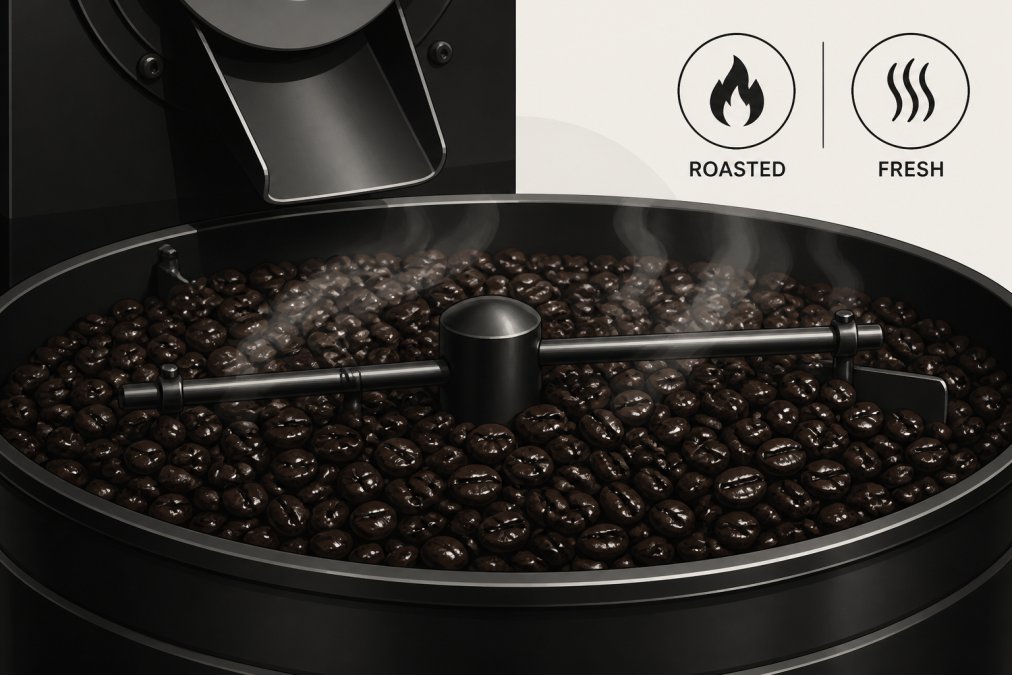
Commercial roasters batch roast, combining beans from multiple orders into a single drum. A typical batch of 50 pounds might represent 20-30 individual customer orders.
Quality control happens at multiple checkpoints. The roaster monitors bean temperature, color development, and the exact moment to stop the roast. Single-origin beans like Bali Blue require different roasting parameters than blends like the House Blend, which combines beans from Central and South America.

After cooling, beans are weighed and packaged quickly. Beans that sit in bulk containers for days lose volatile aromatics to oxidation.
Packaging Technology and Aroma Retention
Quality coffee bags have three critical features: a one-way valve that lets CO2 escape without letting oxygen in, an air-tight seal, and aluminum foil to block light. Light exposure degrades coffee through oxidation, breaking down compounds responsible for complexity and brightness.
The one-way valve solves a fundamental problem: fresh beans produce CO2, but oxygen causes staling. Without it, you'd choose between letting CO2 build pressure or opening to atmosphere. The valve lets you have both, degassing and freshness protection.
Coffee Depot uses air-tight packaging designed to maintain the roast-to-order advantage all the way to your kitchen.
Shipping Times and Delivery Expectations
Most roast-to-order services ship within 2-3 business days of your order. Standard shipping typically arrives within 5-7 business days. By the time the package reaches you, the beans are 7-10 days post-roast, ideal for most brewing methods. You've got a 3-4 week window before oxidation becomes noticeable.
Best Online Coffee Roasters for Freshness: What Sets Them Apart
The roast-to-order model has become more common, but not all roasters execute it equally. The difference comes down to transparency and process discipline.
Specialty Grade and Single-Origin Sourcing
Specialty-grade coffee is the top tier, scored by certified cuppers with scores of 80+ considered specialty grade. These beans have fewer defects, more complexity, and more pronounced tasting notes than commodity-grade coffee.
Single-origin coffee comes from a specific farm, region, or country, shaped by terroir, altitude, soil, climate, and processing method. A Bali Blue tastes different from a Kenyan single-origin because growing conditions differ completely. Blends like Coffee Depot's House Blend and Breakfast Blend combine beans from multiple origins to create balanced flavor profiles.

Specialty-grade beans are more delicate with volatile aromatics that oxidize faster, making them benefit even more from the roast-to-order model.
Roast Date Transparency
The best roasters print the roast date directly on the bag. This gives you proof that roasting actually happened, evidence of freshness, and a reference point for when beans reach peak flavor.
Some roasters hide behind vague language like "freshly roasted" without a date, a red flag. Transparency about roast dates signals confidence in freshness claims. Coffee Depot ensures roast date transparency so you know exactly what you're getting.
How to Store Fresh Coffee Beans for Maximum Shelf Life
Once your roast-to-order coffee arrives, storage becomes your responsibility. The goal is to slow oxidation and moisture absorption.
Air-Tight Packaging and Oxidation Prevention
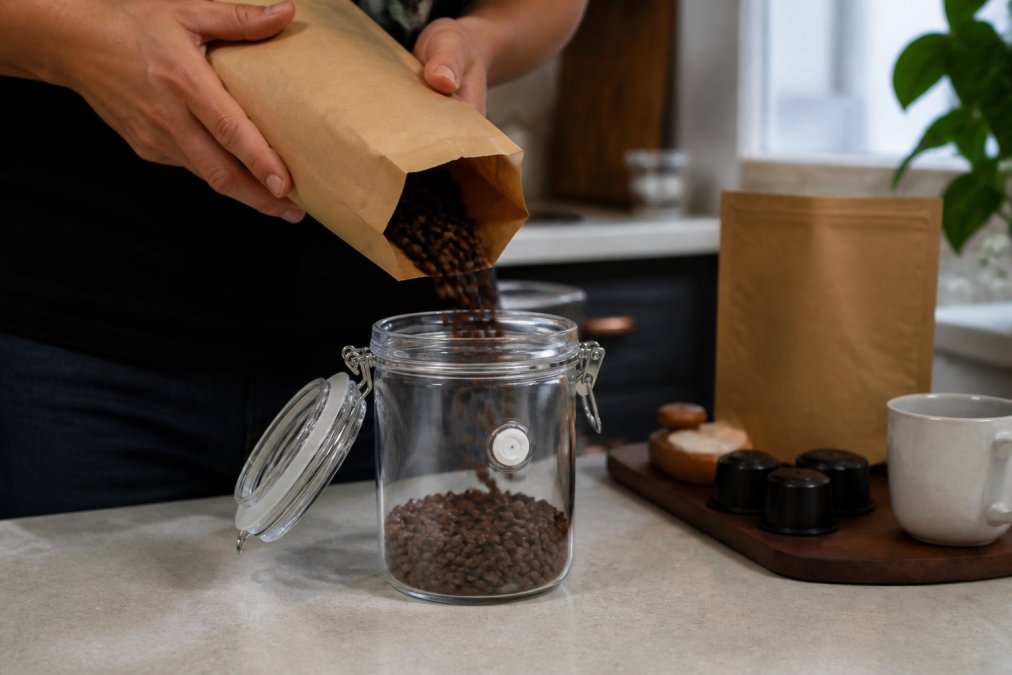
The enemies of stored coffee are oxygen, light, heat, and moisture. Air-tight containers protect against the first and fourth. Glass containers with rubber gasket seals are ideal because they're truly air-tight and don't absorb odors like plastic.
Avoid storing coffee in the original bag once opened, even if it has a one-way valve. Transfer to an air-tight container immediately after opening.
Room temperature in a dark cabinet is best for coffee you'll use within 2-3 weeks. For longer storage, the freezer works if you minimize condensation exposure by using a truly air-tight container and only removing what you need.
Grind Timing and Extraction Quality
Grinding increases surface area dramatically, accelerating oxidation. Whole beans stay fresh for 3-4 weeks after opening. Ground coffee stays fresh for 3-4 days. Whole bean is always preferable if you have a grinder.
The grind itself affects extraction. Espresso requires a fine, consistent grind. Pour-over works better with a medium grind. French press needs a coarse grind. Grinding right before brewing preserves aromatic compounds that make fresh coffee taste so much better than stale coffee.
Brewing Impact: Why Roast Age Affects Your Cup
The age of your beans directly changes how they behave in your brewing device.
Espresso Extraction and Bean Density
Fresh-roasted beans (1-3 days post-roast) are less dense than beans rested for a week. The roasting process creates tiny air pockets that release CO2 during degassing, and the bean structure slightly contracts as it cools. A denser bean resists water penetration more effectively, which is why espresso shots pull better from beans that are 7-14 days old.
With very fresh beans, water rushes through too quickly, pulling in 15-20 seconds instead of the target 25-30 seconds, producing sour and thin shots. With beans too old (45+ days), the structure becomes brittle and porous, extracting too much and creating bitterness.
The sweet spot for espresso is 7-14 days post-roast.
Pour-Over and Bloom Performance
Pour-over is more forgiving, but bean age still matters. The bloom phase, the first 30-45 seconds when you pour water, is when CO2 escapes. With very fresh beans, the bloom is violent and chaotic. With beans rested 5-7 days, the bloom is calmer and more controlled.
Extraction quality is better with slightly older beans because water contact is more even. Beans that are 10-21 days old produce the most balanced pour-over cups.
Getting Started With Fresh Roasted Coffee
Starting with roast-to-order coffee is straightforward. You place an order, the roaster roasts your beans, and they ship within days. When they arrive, you've got a 3-4 week window where beans are at their peak.
The first order should be a blend rather than a single-origin if you're new to specialty coffee. Blends are more forgiving and designed to taste good across brewing methods and grind sizes. Coffee Depot's House Blend and Breakfast Blend are specifically crafted for this. Once you understand your brewing method and flavor preferences, single-origins like Bali Blue let you explore different growing regions.

Don't overthink storage or brewing at first. Use an air-tight container, grind right before brewing, and let the freshness do the work. The difference between fresh-roasted and grocery store coffee is dramatic enough that even imperfect technique produces a noticeably better cup.
A common objection is cost. Roast-to-order coffee costs more than commodity coffee, but the comparison isn't fair, you're comparing specialty-grade, single-origin beans to bulk commodity beans. Within the specialty category, roast-to-order is often cheaper than local cafes. At Coffee Depot, blends like the 6 Bean Blend and House Blend are priced at $18.99, competitive for specialty-grade, roast-to-order coffee.
Fresh coffee beans roasted same day represent a fundamental shift in how coffee reaches your home. The supply chain is shorter, beans arrive during their peak flavor window, and the difference in your cup is immediate. Understanding degassing, the resting period, bean density, and oxidation transforms coffee from something you buy to something you understand and appreciate.
The roast-to-order model solves a problem that's plagued coffee drinkers for decades: staleness. Whether you're pulling espresso shots or brewing pour-over, beans that are days old instead of weeks or months old taste objectively better. They have more brightness, more complexity, and more subtle tasting notes that make specialty coffee worth the investment.
Coffee Depot brings this philosophy to life with expertly curated blends and single-origin beans roasted specifically for your order, then shipped directly to you. The House Blend, Breakfast Blend, and specialty single-origins like Bali Blue are roasted to order and shipped with roast date transparency. Every item sold includes a $1 donation to charity, transforming your coffee purchase into support for your community. Start with a blend, dial in your brewing technique, and experience what fresh roast-to-order coffee actually tastes like.
Frequently Asked Questions
How long should I wait before brewing freshly roasted coffee beans?
Most specialty roasters recommend waiting 3-7 days after the roast date for optimal flavor. During this resting period, carbon dioxide continues to escape through the one-way valve on the bag, a process called degassing. For espresso, many prefer 5-7 days; for pour-over, 3-5 days often works well. However, coffee beans roasted same day and shipped immediately can be brewed as soon as they arrive if you prefer a more active, lively cup, the choice depends on your brewing method and taste preference.
What's the difference between roast-to-order and same-day shipping?
Roast-to-order means your beans are roasted only after you place your order, ensuring maximum freshness. Same-day shipping means they're packed and dispatched the same day. When combined, roast to order coffee beans shipped same day give you beans that are typically 1-2 days old when they arrive at your door. This dramatically extends your freshness window compared to grocery store beans that may be weeks old. The roast date on the bag tells you exactly when degassing began, so you control the resting period.
How do I know the beans are actually fresh when they arrive?
Check the roast date printed on the bag, this is your proof. Fresh coffee beans should arrive within 3-5 business days of roasting. Look for a one-way valve on the packaging, which allows carbon dioxide to escape while preventing oxygen from entering. When you open the bag, fresh beans should have a strong aroma and a slightly oily sheen on darker roasts. If the bag feels flat with no aroma, the beans are likely stale. Coffee Depot prints the roast date clearly so you can verify freshness immediately.
Does same-day roasting actually make a difference in coffee flavor?
Yes, significantly. Freshly roasted beans have a more vibrant tasting profile with brighter acidity and fuller aroma. Within the first 2-4 weeks, flavor peaks before oxidation gradually dulls the cup. Same-day roasting captures peak flavor at its source. The difference is most noticeable in specialty grade, single-origin coffees where subtle tasting notes shine through. Blends like our House Blend and Breakfast Blend also benefit from this freshness, delivering the rich, intended flavor profile rather than a flat, generic taste.
What's the best way to store coffee beans to maintain peak freshness?
Store whole beans in an air-tight container away from heat, light, and moisture. Keep them at room temperature, never in the refrigerator or freezer, as condensation damages the beans. Use the original bag with its one-way valve if possible, or transfer to an opaque, sealed glass or ceramic container. Grind only what you need right before brewing to maximize extraction quality. Whole beans stay fresh for 2-4 weeks after the roast date; ground coffee loses freshness within hours. Proper storage preserves the roasting profile and prevents oxidation.
Can I order coffee without committing to a subscription?
Yes. Coffee Depot offers flexible ordering with no mandatory subscription. Order whenever you want, as often as you want. Many remote workers and busy professionals appreciate this flexibility, you decide when to reorder based on your consumption rate. If you do find a roast you love, like our 6 Bean Blend or Bali Blue single-origin, you can reorder the same beans repeatedly without any lock-in period. This approach lets you experiment with different specialty grade options while maintaining control over your supply.
Are your single-serve capsules compatible with Nespresso machines?
Our product line focuses on whole bean and ground coffee for maximum freshness and flavor control. For the most current information about capsule compatibility and availability, contact our team directly. We're committed to delivering roast-to-order quality, and whole beans offer the best way to experience the full benefits of freshly roasted coffee with peak flavor and aroma retention that pre-packaged capsules cannot match.
Where does the $1 charity donation per item actually go?
Coffee Depot donates $1 from every item sold to community organizations. This commitment reflects our belief that exceptional coffee should make a positive impact. For specific details about which charities and programs receive these donations, visit our website or contact our team. We're transparent about our giving because supporting our community is as important as delivering fresh, specialty grade coffee to your home.
This article was written using GrandRanker