

Buy Artisan Coffee Beans Online 2026: Top Picks
Table of Contents
- Best Artisan Coffee Beans Online for 2026
- Fresh Roasted Coffee Delivery Benefits
- How to Choose the Right Artisan Coffee Beans
- How to Store Coffee Beans for Maximum Freshness
- Best Coffee Subscription Services 2026
- What Makes Coffee Truly Artisan
- Conclusion
Last Updated: August 17, 2026
Best Artisan Coffee Beans Online for 2026
When you buy artisan coffee beans online, freshness matters most. Coffee loses peak flavor within two weeks of roasting, yet conventional retailers ship beans already weeks old. Roast-to-order services change everything: Coffee Depot roasts after you order and ships within days, transforming your daily cup from ordinary to extraordinary.
The artisan coffee market has exploded, but not all roasters prioritize what matters: beans roasted days before arrival, ethically sourced, and curated to highlight each origin's unique characteristics. Below, we'll walk you through the best options for buying artisan coffee beans online in 2026.
Sample Packs: Start Your Exploration
Sample packs are the smartest way to discover your preferences. They offer multiple roasts in smaller quantities, eliminating the risk of committing to a full bag you might not enjoy.
Coffee Depot's Best Sellers Sample Pack ($24.99) includes six 2oz packs representing the full range of specialty coffee. The 6 Bean Blend is a bold dark roast for espresso with deep complexity. The Cowboy Blend balances dark and medium roasts for cocoa, caramel, and vanilla notes. The Breakfast Blend is a smooth medium roast from South America with brightness without acidity. Three single-origin selections, Peru (salted caramel and citrus), Mexico (chocolate and cinnamon), and Bali (dark chocolate and molasses), complete the education in roast levels and origins.

For single-origin exploration, the Single Origin Favorites Sample Pack ($24.99) features six origins in 2oz portions: Brazil Santos, Colombia, Costa Rica, Ethiopia, Honduras, and Tanzania. Each reveals how altitude, processing method, and terroir shape flavor.

The Flavored Coffees Sample Pack ($24.99) includes French Vanilla, Hazelnut, Cinnabun, Caramel, Mocha, and Cinnamon Hazelnut. Each starts as specialty-grade single-origin coffee roasted in small batches to a smooth medium, then carefully flavored with high-quality oils while warm.

Single-Origin Selections
Single-origin coffee tells a story. When you buy artisan coffee beans from one specific region, you're tasting altitude, soil composition, processing decisions, and generations of farming expertise.
Coffee Depot's Peru ($18.99) is sourced from the Cooperativa Agricola de Servicios Norandino in Piura and Amazonas at 1100-1700 meters altitude. This medium roast delivers salted caramel, silky sweetness, and citrus. The gully washed and sun-dried process creates a clean, vibrant cup.
Mexico ($18.99) comes from Chiapas and Oaxaca at 900-1000 meters. This medium roast offers chocolate, cinnamon, and green apple notes with a clean finish.
Bali Blue ($18.99) is a med-dark roast from Kintamani, Indonesia at 1200-1600 meters. The wet-hulled processing creates dark chocolate, molasses, and brown sugar notes with full body and lower acidity, ideal for espresso.
Single-origin selections reveal how processing shapes flavor. The washed process produces cleaner, brighter cups. The wet-hulled process creates heavier body and earthier character.
Signature Blends for Every Palate
The House Blend ($18.99) is Coffee Depot's foundation offering. This medium roast combines Central and South American coffees for a smooth cup with nutty undertones, sweet chocolate, and mild citrus.
The 6 Bean Blend ($18.99) is a bold dark roast built for espresso enthusiasts, delivering full-bodied complexity with deep flavors.
The Cowboy Blend ($18.99) fuses dark and medium roasts for cocoa, caramel, and vanilla notes. It works beautifully in any brewing method.
The Coffee with Mushrooms Dark Roast ($20.99) infuses specialty-grade coffee with Lion's Mane, Cordyceps, and Reishi mushrooms, delivering earthy notes alongside deep coffee richness with added cognitive and energy benefits.
Fresh Roasted Coffee Delivery Benefits
Fresh roasted coffee delivery is transformative. Coffee begins losing optimal flavor compounds the moment roasting ends. Within two weeks, aromatic oils have largely degraded. Within a month, coffee tastes flat regardless of original quality.
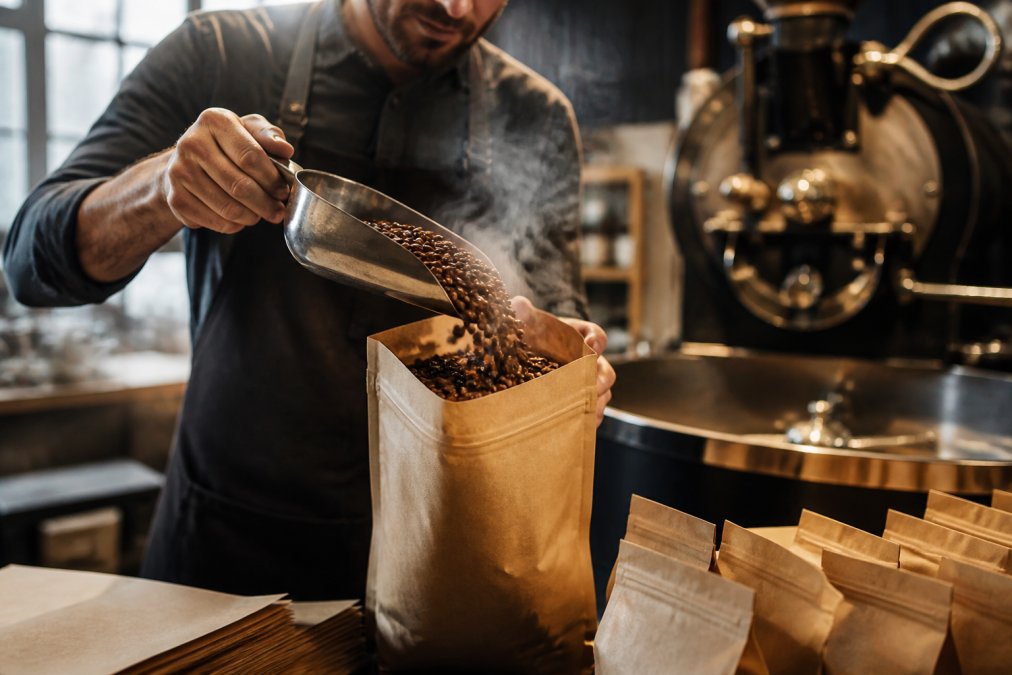
When you order from a roast-to-order service, the timeline changes dramatically. Coffee Depot roasts after you order, then ships within days. You receive beans at peak freshness with all aromatic complexity and nuanced flavor intact.
The freshness advantage compounds across multiple dimensions. Your extraction improves with better bloom, gas release, and consistent flavor development. You taste the origin more clearly, the salted caramel in Peru, chocolate in Mexico, fruity undertones in Ethiopia are only apparent in truly fresh beans. Your brewing becomes more forgiving because flavor compounds remain strong.
Roast-to-order also eliminates massive warehouse storage and long-distance shipping from distributor hubs. Coffee arrives via the most direct route possible. Many specialty roasters pair this with ethical sourcing and community commitments, Coffee Depot donates $1 from every item sold to charity, making your purchase meaningful beyond the cup.
How to Choose the Right Artisan Coffee Beans
Choosing artisan coffee beans online requires understanding roast level, origin, processing method, and how those factors align with your brewing equipment and taste preferences.
Understanding Roast Levels and Flavor Profiles
Roast level is the primary driver of flavor profile. Light roasts preserve origin characteristics: acidity, fruit notes, and floral undertones. Medium roasts balance origin character with deeper, sweeter roasting flavors. Dark roasts prioritize roasting flavors, bold, heavy body, low acidity, chocolate and caramel, over origin distinctiveness.
Read tasting notes and match them to what you enjoy. If you love bright, acidic coffee with fruity notes, seek light and medium roasts with fruit, berries, citrus, or floral descriptors. If you prefer smooth, sweet, full-bodied coffee, choose medium and dark roasts with chocolate, caramel, nuts, or molasses notes.
Your brewing method influences which roast works best. Pour-over and Aeropress highlight nuanced flavors in light and medium roasts. French press and espresso benefit from medium and dark roasts with body to stand up to immersion brewing or milk. Matching roast level to brewing method is as important as matching it to taste preference.
Tasting notes describe what you should expect. Peru's "salted caramel and citrus" means you'll detect those flavor compounds. Ethiopia's "milk chocolate and fruity undertones" describes what you'll experience. Learning to read tasting notes removes guesswork from ordering online.
Single-Origin vs. Blends: What's Right for You
Single-origin coffee showcases one specific place, revealing how geography shapes flavor. Single-origins are ideal for exploration and education. Blends combine origins to achieve consistency and balance, with each origin contributing specific flavor characteristics.
Choose single-origins if you're building coffee knowledge and want to taste differences between origins. Choose blends if you want reliable, delicious coffee that tastes the same every time. Many enthusiasts buy both: single-origins for weekend exploration, blends for weekday consistency.
Freshness matters equally for both. A stale single-origin loses origin character and tastes flat. A stale blend tastes like burnt, generic coffee. The roast-to-order advantage applies universally.
How to Store Coffee Beans for Maximum Freshness
Storage determines how long your artisan coffee beans maintain peak flavor. The enemies of freshness are air, moisture, light, and heat.
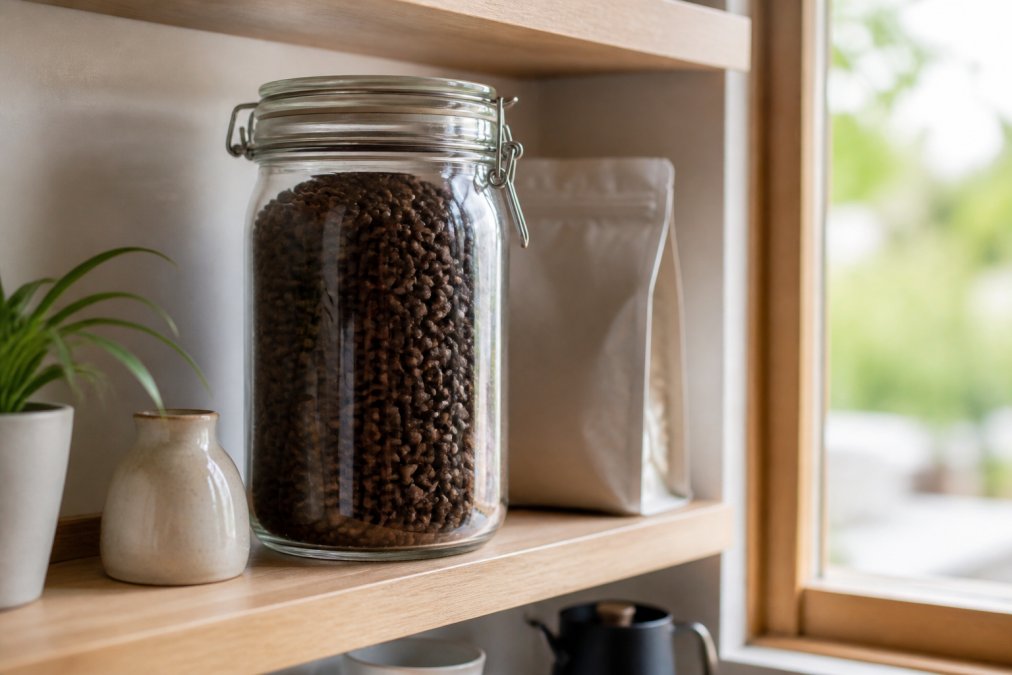
Whole beans stay fresh longer than ground coffee because they have less surface area exposed to air. Buy whole beans and grind immediately before brewing.
Store beans in an airtight container in a cool, dark place, a pantry or cabinet, not on the counter near a window or above the stove. Room temperature is ideal; refrigerators introduce moisture condensation.
The roast date matters more than the "best by" date. Coffee is freshest 3-10 days after roasting. It remains good for 2-4 weeks after roasting. After a month, quality declines noticeably. This is why roast-to-order services are transformative: your beans arrive at peak freshness.
Once you open a bag, consume the coffee within 1-2 weeks. If you buy larger quantities, divide into smaller portions and seal unused portions in airtight containers.
Grind immediately before brewing whenever possible. If you must grind ahead, use the finest grind size appropriate for your brewing method, store in an airtight container, and use within 24 hours.
Best Coffee Subscription Services 2026
Coffee subscriptions solve the problem of remembering to reorder while ensuring you never run out or fall back on stale grocery store coffee.
The best subscription services offer flexibility. You should be able to choose frequency (weekly, bi-weekly, monthly), pause or skip shipments without penalty, and change your selection each cycle. Look for services providing detailed tasting notes and sourcing information.
Pricing varies significantly. Premium services charge more for sourcing and roasting practices. Budget options deliver solid coffee at lower prices. Factor total cost including shipping into your comparison, not just per-bag price.
| Consideration | What to Look For |
|---|---|
| Freshness | Roast-to-order, ships within days of roasting |
| Flexibility | Pause, skip, or cancel without penalty |
| Customization | Choose roast level, origin, or blend each cycle |
| Sourcing | Transparent information about origin and processing |
| Pricing | Total cost including shipping, no hidden fees |
| Delivery Frequency | Weekly, bi-weekly, or monthly options |
The best subscription depends on your brewing method, taste preferences, and coffee consumption. A light roast single-origin subscription works for pour-over enthusiasts exploring origins. A medium roast blend subscription works better for reliable everyday coffee. Many services let you try a sample pack before committing.
What Makes Coffee Truly Artisan
Artisan coffee describes a specific approach to sourcing, roasting, and distribution. Understanding what separates artisan coffee from commodity coffee helps you make intentional purchasing decisions.
Specialty-grade coffee is the foundation. The Specialty Coffee Association defines specialty-grade as beans scoring 80 points or higher on a 100-point scale, evaluated by trained cuppers. Commodity coffee is bulk coffee sold by the pound, often a mix of origins and qualities, roasted months before purchase. Specialty-grade coffee is traceable, scored, and roasted fresh.
Direct trade and fair trade certifications indicate ethical sourcing. Direct trade means the roaster has a direct relationship with the farmer or cooperative, paying premium prices. Fair trade certification ensures farmers receive a minimum price and work under certain labor standards.
Small-batch roasting allows precise control over temperature and timing, creating nuanced flavors. Large-scale commodity roasting prioritizes speed over flavor development.
Roast-to-order preserves freshness. You receive beans at peak freshness, not weeks into their decline.
Transparency about sourcing, roasting, and tasting notes distinguishes artisan roasters. You should find out where your coffee comes from, how it was processed, when it was roasted, and what flavor profile to expect.
Coffee Depot embodies these principles. Coffee is not roasted until you order it. Every item is sourced with attention to origin and quality. Tasting notes and sourcing information are transparent. The commitment to community, donating $1 from every item sold to charity, reflects the values driving artisan coffee culture.
Conclusion
Buying artisan coffee beans online in 2026 means prioritizing freshness, sourcing transparency, and roast-to-order delivery. The best options, whether sample packs, single-origins, or subscriptions, share a common principle: coffee should taste like it was roasted days ago, not months ago.
Coffee Depot delivers on this promise with roast-to-order service, expertly curated blends and single-origins, and small-batch roasting that preserves nuanced flavors. Every item ships fresh, and every purchase supports community through charitable donations. Start with the Best Sellers Sample Pack ($24.99) to explore what fresh artisan coffee tastes like, then transition to your preferred blends or single-origins for ongoing enjoyment.
Frequently Asked Questions
What makes artisan coffee beans different from grocery store coffee?
Artisan coffee beans are roasted in small batches by specialty roasters who prioritize quality over volume. They source from single origins or carefully curated blends, use specialty-grade beans, and often roast to order for maximum freshness. Grocery store coffee is typically mass-produced, roasted weeks or months before purchase, and stored in bulk. Artisan roasters emphasize tasting notes, processing methods, and origin stories, giving you a more complex, intentional flavor experience in every cup.
How do I know if my artisan coffee beans are actually fresh?
Check the roast date on the bag, it should be recent, ideally within 2-4 weeks of purchase. Fresh artisan beans have a visible sheen and release aroma when opened. Avoid beans with no roast date or vague labels like 'best by.' Roast-to-order services ship immediately after roasting, ensuring peak freshness. Whole beans stay fresher longer than pre-ground coffee. If beans smell flat or taste muted, they've likely degraded past their prime window.
What are the best coffee subscription services 2026, and do I have to commit long-term?
Many subscription services now offer flexible options, you can pause, skip, or cancel anytime without penalty. Look for services that let you customize frequency and roast preferences monthly. Some offer one-time purchases if you prefer no recurring commitment. The best services provide roast-to-order freshness, transparent sourcing, and consistent quality. Evaluate shipping costs and whether they align with your brewing style and budget before subscribing.
Why does roast date matter more than the expiration date on coffee?
Coffee begins to degrade immediately after roasting due to oxidation and CO2 release. The first 1-2 weeks after roasting, beans are in their optimal flavor window, acidity, body, and aroma are most vibrant. By 4-6 weeks, quality noticeably declines. An expiration date only tells you when the product becomes unsafe; a roast date tells you when it was at peak flavor. Specialty roasters emphasize roast date because freshness directly impacts the tasting experience you paid for.
The difference between truly fresh artisan coffee and the stale beans sitting in grocery stores is profound. Once you experience coffee roasted days before arrival, you'll understand why specialty roasters and enthusiasts insist on freshness. Coffee Depot makes that experience accessible with transparent sourcing, expertly roasted beans, and the commitment to ship your order immediately after roasting. Get started with Coffee Depot and discover what your daily brew can become.
This article was written using GrandRanker