

Best Artisan Coffee for Home Brewing
Table of Contents
- What Makes Artisan Coffee Different
- Best Artisan Coffee for Home Brewing by Roast Profile
- Single-Origin vs. Blended Artisan Coffee
- How to Brew Artisan Coffee at Home
- How to Store Coffee Beans for Maximum Freshness
- Best Coffee Subscription Services vs. One-Time Orders
- Troubleshooting Common Extraction Issues
- Conclusion
Last Updated: August 16, 2026
What Makes Artisan Coffee Different
Artisan coffee differs fundamentally from mass-produced grocery store beans in sourcing, roasting, and freshness. Most commercial coffee sits in warehouses for weeks or months before reaching consumers. Artisan roasters operate differently: beans are roasted to order and shipped within days, preserving complex flavor compounds that degrade over time.
The roast profile matters enormously. Artisan roasters develop specific profiles for each origin, understanding that a Brazilian bean benefits from different heat exposure than an Ethiopian one. Light roasts preserve bright acidity and origin-specific flavors. Medium roasts balance body with complexity. Dark roasts emphasize boldness and mouthfeel.
At Coffee Depot, we've built our entire operation around this principle: coffee doesn't get roasted until you order it. This roast-to-order model ensures maximum freshness and flavor retention compared to pre-roasted inventory sitting on shelves.
Sourcing also separates artisan from commodity. Specialty roasters often work directly with farmers or cooperatives, understanding the altitude, terroir, and processing method behind each lot. You'll see single-origin coffees labeled with specific regions, Peru, Mexico, Bali, rather than vague country names. This transparency reflects a commitment to quality and traceability that mass producers don't maintain.
The freshness factor is where most home brewers feel the real impact. Whole bean coffee begins losing volatile aromatic compounds immediately after roasting. Within two weeks, the flavor profile starts to flatten noticeably. When your beans arrive roasted just days prior, you're capturing coffee at its peak.
Best Artisan Coffee for Home Brewing by Roast Profile
Choosing the best artisan coffee for home brewing starts with understanding roast profiles and how they influence extraction, body, and flavor expression.
Light Roast Options for Bright, Complex Flavors
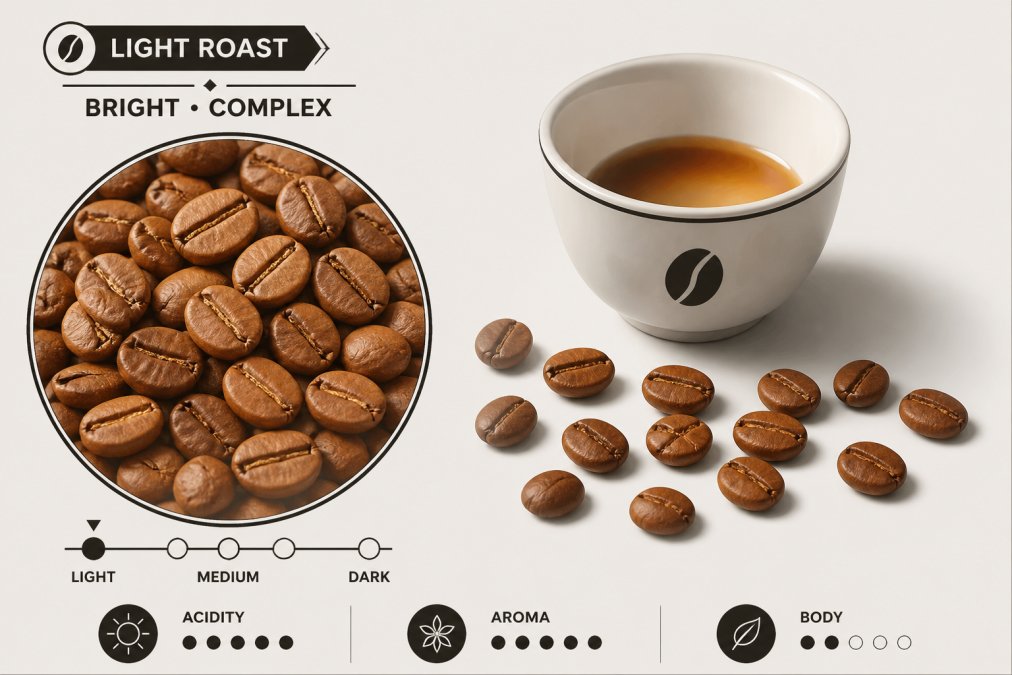
Light roast coffees showcase the origin's inherent characteristics, terroir, altitude effects, and processing method shine through with minimal roasting intervention. These beans retain more acidity, which specialty coffee enthusiasts seek for its brightness and complexity.
Light roasts work best in pour-over, drip, or Aeropress brewing methods where water contact time allows full flavor extraction. Water temperature should stay between 195-205°F, and grind size matters significantly. Too coarse and you'll under-extract, losing the bright notes. Too fine and bitterness emerges.
Coffee Depot's single-origin offerings include light and medium-light roasts that highlight each region's unique profile. The tasting notes on light roasts often reference florals, berries, citrus, or stone fruits, describing actual flavor compounds shaped by geography and growing conditions.
Medium Roast for Balanced Body and Acidity
Medium roasts represent the sweet spot for many home brewers, they balance the origin's character with the roasting process's contribution. You get acidity without harshness, body without heaviness, and complexity without requiring expert technique.
Medium roasts work across virtually all brewing methods: drip, pour-over, French press, espresso, or Aeropress. This versatility makes them ideal if you like experimenting with different equipment.
Coffee Depot's House Blend and Breakfast Blend are both medium roasts designed for this balance. The House Blend features nutty undertones, sweet chocolate, and mild citrus. The Breakfast Blend, sourced from South America, offers smooth, balanced characteristics ideal for morning consumption. Medium roasts typically show tasting notes like chocolate, caramel, nuts, or stone fruits, making them forgiving, slight variations in water temperature or brew time don't dramatically shift the cup's character.
Dark Roast for Bold, Full-Bodied Extraction
Dark roasts prioritize body, boldness, and the roasting process's contribution over the bean's origin characteristics. These coffees suit espresso machines, French presses, and strong drip brewing where you want pronounced mouthfeel and straightforward flavor.
Dark roasts contain less acidity and more body than lighter profiles. The extended roasting time caramelizes sugars and develops roasted, smoky, or charred flavor notes.
Coffee Depot's 6 Bean Blend represents premium dark roast craftsmanship. This blend combines six carefully selected origins into a cohesive dark roast designed specifically for espresso. In a French press, this blend produces a cup with pronounced chocolate and molasses notes. The Cowboy Blend, a fusion of dark and medium roasts, offers middle ground while retaining some complexity. Dark roasts also suit situations where you want coffee's presence without requiring precision brewing.

Single-Origin vs. Blended Artisan Coffee
Single-origin coffees come from one specific region, farm, or cooperative. Blends combine beans from multiple origins. Each approach has distinct advantages for different brewing situations and taste preferences.
Single-origin coffees let you experience terroir, how geography, altitude, and processing method shape flavor. A Peru coffee tastes different from a Mexico coffee because the beans themselves carry different characteristics. Single-origins work beautifully in pour-over or Aeropress where you want to taste the coffee's specific profile clearly.
Coffee Depot's Single Origin Favorites Sample Pack includes six distinct single-origins. Each offers a unique tasting profile shaped by its origin. Brazil presents cocoa notes. Colombia offers dried orange and berry. Ethiopia brings milk chocolate and fruity undertones.
Blends combine origins strategically to achieve specific flavor goals. A blend might pair a high-acidity bean with a low-acidity bean to create balance. Another might combine origins with complementary flavor notes to create complexity. Blends offer consistency: the same blend tastes similar across multiple roasts because the recipe remains constant.
The best artisan coffee for home brewing depends on your priorities. Single-origins suit coffee enthusiasts who enjoy exploring different regions. Blends suit people who want consistent, balanced cups or who appreciate the roaster's expertise in combining origins strategically.
How to Brew Artisan Coffee at Home
Brewing artisan coffee correctly means understanding extraction, the process of pulling soluble compounds from grounds into water. Under-extraction produces sour, thin coffee. Over-extraction creates bitterness. The sweet spot depends on your brewing method, grind size, water chemistry, and brew ratio.
Matching Grind Size to Your Roast Profile
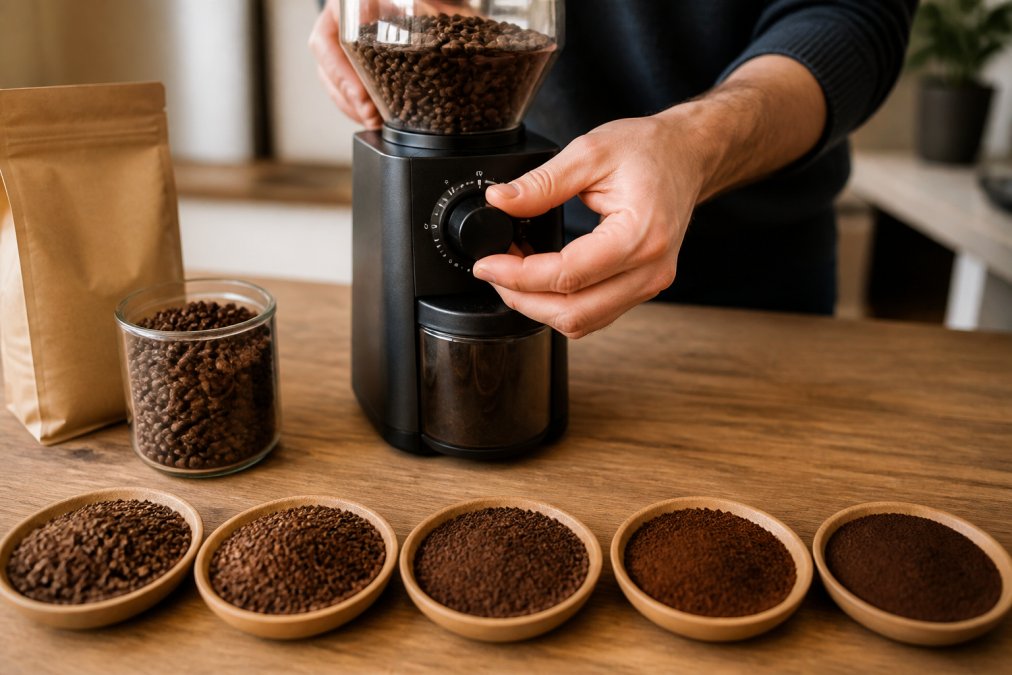
Grind size directly influences extraction speed. Finer grinds increase surface area, accelerating extraction. Coarser grinds slow extraction. The optimal grind depends on your brewing method and roast profile.
Light roasts benefit from slightly finer grinding than dark roasts because they have denser cellular structure from minimal roasting. Dark roasts have more porous structure from extended roasting and extract faster, so slightly coarser grinds prevent over-extraction.
Pour-over brewing demands medium-fine grind. Aeropress works with medium grind. French press requires coarse grind. Espresso demands very fine, consistent grind where particle size variation matters significantly. The key insight: grind size calibration prevents extraction problems before they start. If your coffee tastes sour, grind finer. If it tastes bitter, grind coarser.
Water Chemistry and Brew Ratio Essentials
Water quality dramatically influences extraction and final cup character. Using filtered water eliminates chlorine and reduces mineral variance, producing more consistent results.
Brew ratio, the weight of coffee to water, determines strength and extraction. A standard ratio is 1:16 (one part coffee to sixteen parts water). This produces medium-strength coffee. A 1:15 ratio creates slightly stronger coffee. A 1:17 ratio produces lighter coffee.
Most home brewers benefit from using a scale. Measuring by volume (scoops) introduces error because coffee density varies by roast level and grind size. Water temperature should stay between 195-205°F for most brewing methods. Let boiling water cool 30 seconds before pouring.
How to Store Coffee Beans for Maximum Freshness
Coffee begins losing flavor the moment roasting finishes. Storage conditions determine how quickly this degradation occurs. Proper storage extends the freshness window from days to weeks.
Whole beans store better than ground coffee because whole beans have less surface area exposed to oxygen. Ground coffee oxidizes rapidly, within hours, volatile aromatic compounds dissipate. If you must grind ahead, grind only what you'll use within 24 hours.
Airtight containers protect beans from oxygen exposure. Glass jars with airtight seals work well. Opaque containers are better than clear ones because light accelerates oxidation. Many specialty coffee bags include one-way valves that let CO2 escape while preventing oxygen entry.
Temperature stability matters more than absolute temperature. Room temperature (65-75°F) is ideal. Avoid refrigerators and freezers because sealed containers create condensation when warming to room temperature, introducing moisture that degrades beans. Most specialty roasters recommend consuming beans within 2-4 weeks of roasting for optimal flavor. Coffee Depot's roast-to-order model means your beans arrive roasted just days prior, extending this freshness window significantly.
Best Coffee Subscription Services vs. One-Time Orders
Coffee subscriptions provide convenience and consistency. One-time orders offer flexibility. The choice depends on your consumption rate, budget preferences, and commitment tolerance.
Subscriptions typically deliver coffee monthly on a set schedule. The trade-off: you're committed to a recurring charge and may receive coffee you don't finish before the next shipment arrives.
One-time orders let you purchase exactly what you want when you want it. No recurring charges. No commitment. The trade-off: you pay full price and must remember to reorder before running out.
Coffee Depot's product model supports both approaches. You can purchase individual bags or sample packs (one-time orders) or set up recurring shipments. The Best Sellers Sample Pack ($24.99) and Single Origin Favorites Sample Pack ($24.99) let you explore options without subscription. Individual blends and single-origins cost $18.99-$20.99 per bag.

For remote workers or coffee enthusiasts who brew daily, subscription makes financial sense. For casual drinkers or those still exploring preferences, one-time orders eliminate waste and commitment friction.
Troubleshooting Common Extraction Issues
Most home brewing problems trace to extraction, either too much or too little. Recognizing symptoms helps you adjust variables systematically.
Sour coffee indicates under-extraction. The cup tastes thin, acidic, or unfinished. Solutions: grind finer, use hotter water (closer to 205°F), extend brew time, or increase coffee-to-water ratio.
Bitter coffee indicates over-extraction. The cup tastes harsh, dry, or unpleasantly intense. Solutions: grind coarser, use cooler water (closer to 195°F), shorten brew time, or decrease coffee-to-water ratio.
Flat or muted coffee suggests stale beans or poor water quality. If your beans are more than four weeks old, that's likely the culprit. If beans are fresh, try filtered water instead of tap water.
Inconsistent cups indicate inconsistent variables. Weigh coffee and water using a scale rather than eyeballing measurements. Use a thermometer to verify water temperature. Grind immediately before brewing rather than grinding ahead.
| Problem | Likely Cause | Solution | Expected Result |
|---|---|---|---|
| Sour, thin cup | Under-extraction | Grind finer or use hotter water | Balanced, complete flavor |
| Bitter, harsh cup | Over-extraction | Grind coarser or use cooler water | Smooth, clean finish |
| Flat, muted flavor | Stale beans or poor water | Use fresh beans and filtered water | Bright, complex profile |
| Inconsistent results | Variable measurements | Use scale and thermometer | Consistent cup quality |
| Weak body | Light roast or insufficient coffee | Use more coffee or darker roast | Fuller mouthfeel |
Finding the best artisan coffee for home brewing means matching roast profiles to your brewing method, understanding extraction principles, and prioritizing freshness. Light roasts reward precision and reveal origin character. Medium roasts balance complexity with approachability. Dark roasts deliver boldness and body.
Coffee Depot specializes in roast-to-order freshness, shipping beans roasted just days before arrival. This approach, combined with expertly curated single-origins and blends, ensures you're tasting coffee at its peak. Start with the Best Sellers Sample Pack to explore different roast profiles, then move toward your preferred style. The difference between mass-produced coffee and properly stored, freshly roasted artisan beans becomes undeniable after your first cup.
Frequently Asked Questions
What makes coffee beans considered artisan?
Artisan coffee emphasizes small-batch roasting, traceability, and quality over volume. Artisan roasters typically source specialty-grade beans, roast to order for maximum freshness, and focus on bringing out each origin's unique flavor profile. Unlike mass-produced coffee, artisan batches are carefully monitored for roast consistency, with attention to altitude, terroir, and processing method. This approach prioritizes the coffee cherry's inherent qualities and supports sustainable farming practices.
How do I choose the best artisan coffee for my brewing method?
Match your roast profile to your brewing method. Pour-over and drip brewing work well with medium roasts that highlight acidity and floral or fruity tasting notes. French press suits darker roasts with fuller body and chocolatey, nutty flavors. Espresso demands dark roasts with enough body to cut through milk. Consider the coffee's origin and processing method too. Single-origin coffees showcase terroir, while blends balance multiple flavor profiles for consistency across brewing styles.
Does roast date freshness really matter for home brewing?
Yes, significantly. Coffee begins losing flavor compounds within days of roasting. Beans roasted 5-14 days before brewing deliver peak extraction and flavor complexity. After 30 days, the coffee tastes flat and dull. Artisan roasters like Coffee Depot roast to order and ship immediately, ensuring your beans arrive at their flavor peak. Check the roast date on your bag and use within two weeks for best results. Freshness directly impacts mouthfeel, acidity, and sweetness.
What's the difference between specialty and artisan coffee?
Specialty coffee refers to beans scoring 80+ on the Specialty Coffee Association cupping scale, based on origin quality and processing. Artisan coffee encompasses specialty beans but adds the craft element: small-batch roasting, roast-to-order freshness, and intentional flavor development. All artisan coffee is specialty-grade, but not all specialty coffee is artisan. Artisan roasters prioritize the relationship between roaster and farmer, sustainable practices, and direct-to-consumer freshness guarantees.
This article was written using GrandRanker