

How to Find Your Favorite Coffee Roast
Table of Contents
- What Is a Coffee Roast and Why It Matters
- Understanding the Three Main Roast Levels
- Light vs Dark Roast Caffeine Content: What You Need to Know
- Coffee Roast Flavor Profile Chart and Tasting Notes
- How to Taste Coffee Like a Pro
- Matching Your Roast to Your Brewing Method
- Step-by-Step: Finding Your Favorite Roast
- Common Mistakes to Avoid When Selecting Your Roast
- Freshness and Roast Date: Why It Matters
- Frequently Asked Questions
Last Updated: August 31, 2026
What Is a Coffee Roast and Why It Matters
A coffee roast is the process of heating green coffee beans to specific temperatures, transforming their color, flavor, and chemical composition. This crucial step determines everything about your final cup, from acidity brightness to body depth and flavor complexity.
The roasting process triggers two major chemical reactions: the Maillard reaction and caramelization, creating hundreds of flavor compounds absent in raw beans. A light roast preserves the bean's origin characteristics, fruity, floral, or bright notes from where it was grown. A dark roast develops deeper flavors like chocolate, smoke, and caramel, sacrificing some original brightness.
At Coffee Depot, we understand that finding your favorite coffee roast is personal. That's why we offer expertly curated sample packs that let you explore different roast levels without committing to full bags.

Understanding the Three Main Roast Levels
Coffee roasts fall into three primary categories, each with distinct characteristics representing specific temperature ranges that fundamentally change how the coffee tastes.
Light Roast: Bright and Acidic
Light roasts are removed from the heat right after the first crack, when beans expand and literally crack open, around 350-400°F internal bean temperature (peer-reviewed research). The beans retain more original density and moisture.
Light roasts showcase the coffee's origin character most clearly. A light roast from Ethiopia might taste fruity and floral, while one from Kenya might offer berry and wine-like notes. The acidity is bright and lively, not sour, a desirable quality that creates complexity on your palate.
The body is typically thin to medium with a dry bean surface and no visible oils. Light roasts work exceptionally well for pour-over, AeroPress, and Chemex brewing methods, where paper filters highlight flavor clarity.
A common misconception is that light roasts have more caffeine than dark roasts. The difference in caffeine content between roast levels is negligible, roughly 2-3% at most (peer-reviewed research). What changes dramatically is flavor expression, not caffeine.
Medium Roast: Balanced Flavor
Medium roasts are pulled between the first and second crack, typically around 410-430°F internal temperature (peer-reviewed research). This sweet spot balances the origin's brightness with roasted flavors developed during roasting.
Medium roasts offer balanced flavor profiles. You get some origin brightness combined with roasted flavors like caramel, chocolate, or nuts. The body is medium, creating fuller mouthfeel than light roasts without dark roast heaviness. The bean surface shows minimal oiling.
This roast level appeals to people wanting complexity without extremes. You're not sacrificing origin character but getting enough roasted flavor development to feel satisfying. Medium roasts work well across most brewing methods, drip, French press, espresso, and pour-overs all highlight different aspects of this balanced nature.
Many coffee shops default to medium roasts because they're forgiving and approachable, less likely to taste thin or harsh.
Dark Roast: Bold and Smooth
Dark roasts continue past the second crack, reaching 430-450°F or beyond. The beans are significantly less dense, having lost more moisture and expanded considerably. The surface is visibly oily, a natural roasting result, not a defect.
Dark roasts prioritize roasted flavors over origin character. Expect bold, smoky, or spicy notes with chocolate, caramel, and nuts dominating. The brightness and acidity have largely disappeared, replaced by smooth, full body and low acidity. The mouthfeel is heavy and coating.
Dark roasts work beautifully in espresso machines and French press, where full body and bold flavors shine. They're less ideal for paper filter methods, which can highlight harshness if the roast was taken too far.
Light vs Dark Roast Caffeine Content: What You Need to Know
The caffeine myth persists: many believe dark roasts have more caffeine because they're darker, or light roasts have more because they're less processed. Neither is accurate.
Caffeine content is determined almost entirely by bean variety and growing conditions, not roast level. During roasting, caffeine is remarkably stable. A very small amount may be lost through chaff, but the difference between light and dark roasts of the same bean is negligible, typically 1-3% at most.
What DOES change is bean density. A light roast bean is denser than a dark roast bean of the same size. If you measure coffee by volume (scoops), a light roast delivers slightly more caffeine per scoop because you're packing more bean mass into the same space. If you measure by weight, caffeine content is virtually identical.
Choose your roast based on flavor preference, not caffeine content. If you want more caffeine, use more coffee or adjust your brewing method to extract more fully.
Coffee Roast Flavor Profile Chart and Tasting Notes
Understanding tasting notes helps you identify which roast aligns with your preferences. Tasting notes describe flavors that emerge from roasting and brewing, not added flavors.
| Roast Level | Body | Acidity | Common Tasting Notes | Aroma Profile |
|---|---|---|---|---|
| Light | Thin to Medium | Bright, Lively | Fruity, Floral, Tea-like, Citrus | Floral, Fruity, Grassy |
| Medium | Medium | Balanced | Caramel, Chocolate, Nuts, Balanced | Sweet, Nutty, Balanced |
| Dark | Full, Heavy | Low | Smoky, Spicy, Bold Chocolate, Earthy | Smoky, Roasted, Intense |
Flavor notes vary dramatically by origin. A Brazilian coffee might taste nutty and chocolatey at medium roast, while a Kenyan coffee at the same roast level might taste fruity and wine-like. The origin, region, altitude, and processing method shape the bean's inherent flavor potential.
Tasting notes are descriptors developed through professional cupping, a standardized tasting protocol used across the coffee industry. When you see a coffee described as having "notes of blueberry and dark chocolate," that's based on actual sensory evaluation by trained tasters.
How to Taste Coffee Like a Pro
Tasting coffee intentionally differs from casual drinking. Professional cupping uses specific methods to evaluate coffee objectively, but you can apply similar techniques at home.
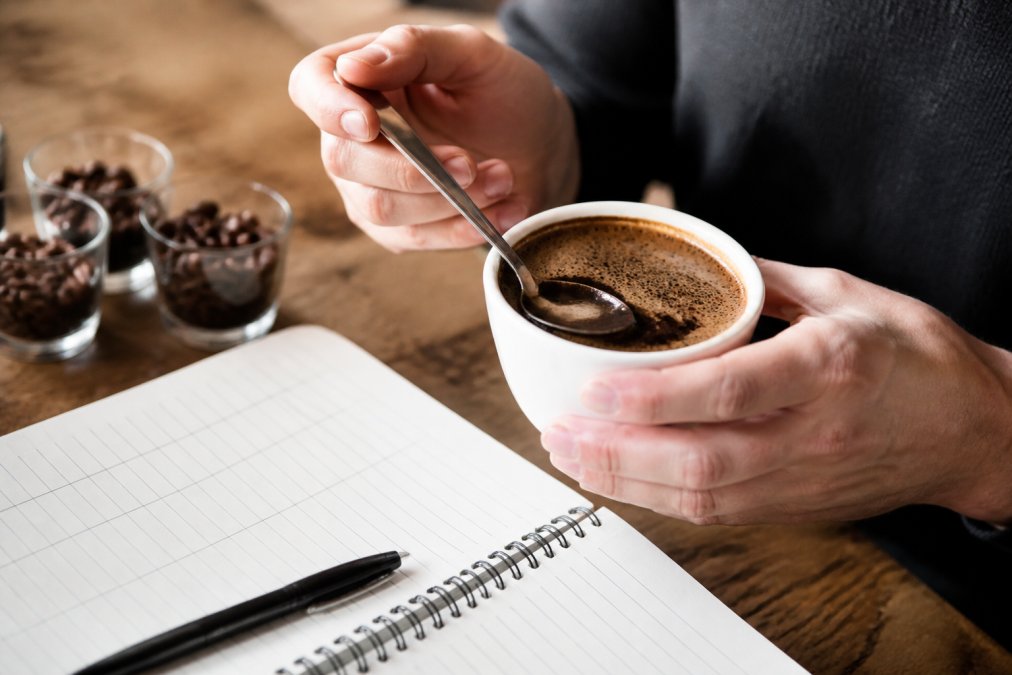
Prepare your coffee consistently using the same brewing method, water temperature, and coffee-to-water ratio. Consistency eliminates variables so you can focus on the coffee itself. Brew multiple samples side by side when comparing roasts.
Observe the aroma before tasting. Smell the coffee while hot, then as it cools. Aroma comprises a huge portion of what we perceive as taste.
When you taste, slurp deliberately to aerate the coffee and spread it across your palate, engaging more taste receptors. Notice the body and acidity. Identify specific flavors if you can, but don't force it.
Take notes on what you taste, what you like, and what you don't. Over time, patterns reveal themselves. You might discover you consistently prefer lower-acidity coffees or love fruity notes but find smoky flavors off-putting. These patterns guide you toward your favorite roast.
Matching Your Roast to Your Brewing Method
Your brewing method dramatically affects how a roast expresses itself. The same coffee tastes noticeably different when brewed in a French press versus a pour-over.
Paper filter methods, pour-over, Chemex, drip coffee makers, produce cleaner cups by removing oils and fine particles. These highlight clarity and brightness, making them ideal for light and medium roasts where you want to taste origin character and acidity.
Immersion methods, French press, cold brew, keep coffee in full contact with water for extended periods, producing fuller-bodied, more textured cups. Dark roasts shine in French press because full body and bold flavors aren't diluted or filtered away.
Espresso machines force hot water through finely ground coffee under pressure, creating concentrated shots. Medium to dark roasts work best because the pressure extraction and roast's bold flavors create the intensity and crema that define good shots.
Understanding this relationship helps you choose a roast that will taste good with your equipment. A light roast might taste thin in a French press, while a dark roast might taste heavy in a pour-over.
Step-by-Step: Finding Your Favorite Roast
The most reliable way to find your favorite coffee roast is through systematic exploration.
Step 1: Start with a Sample Pack
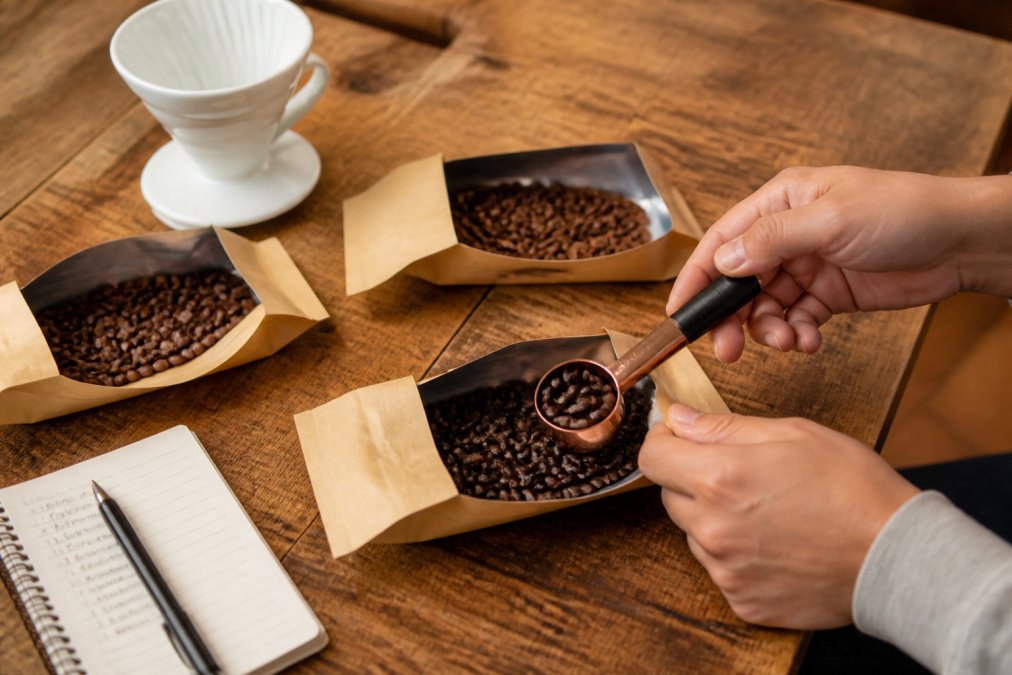
Begin with a curated sample pack including multiple roast levels. Coffee Depot's Best Sellers Sample Pack includes six different blends across the roast spectrum. Each pack contains 2oz portions, enough to brew multiple cups and truly evaluate each coffee.

Sample packs eliminate financial commitment while letting you experience real variety. You're tasting professionally selected and roasted coffees, not random grocery store options.
Step 2: Track Your Reactions
Brew each coffee using your preferred method. Take detailed notes on what you taste, how you feel about it, and whether you'd want to drink it again. Be honest about your reactions.
Note the roast level, origin, and any tasting notes listed on the package. Over time, patterns emerge revealing your actual preferences.
Step 3: Identify Your Flavor Preferences
After tasting several coffees, ask yourself: Do you prefer bright, acidic cups or smooth, low-acid cups? Do you like fruity and floral notes, or chocolate and nutty notes? Do you want complexity or bold simplicity? Do you prefer light or full body?
These preferences connect to roast level, origin, and brewing method. If you love bright acidity, you're probably drawn to light roasts. If you prefer smooth, full-bodied cups, medium to dark roasts will likely appeal more.
Step 4: Refine and Commit
Once you've identified patterns, order a full bag of a coffee that consistently delighted you. Brew it regularly for two weeks to see if it holds up to daily drinking.
This final step is crucial because favorite coffees aren't always the ones that impress you once, they're the ones you genuinely want to drink every morning.
Common Mistakes to Avoid When Selecting Your Roast
Don't assume darker means better or stronger. Dark roasts are bold but not necessarily better, they're just different. If you prefer lighter, brighter flavors, a dark roast will disappoint you.
Don't judge a roast based on a single brewing attempt. Variables like water temperature, grind size, and brew time dramatically affect how a roast tastes. A light roast that tastes thin in a drip machine might taste bright in a pour-over.
Don't buy full bags of unfamiliar coffees. Sample packs exist for a reason. Committing to a full bag before knowing if you'll like it wastes money.
Don't ignore freshness. A perfectly roasted coffee from three months ago tastes noticeably stale compared to one roasted last week. When you order from Coffee Depot, coffee isn't roasted until you order it, then shipped directly to you, ensuring maximum freshness.
Don't expect tasting notes to match your experience exactly. If a bag says "notes of blueberry and caramel" but you taste "fruity and sweet," that's fine. Your palate is valid.
Don't overlook brewing method compatibility. A light roast perfect for pour-over might taste underwhelming in your French press.
Freshness and Roast Date: Why It Matters
Coffee is perishable. The moment beans are roasted, they begin losing flavor. Peak flavor occurs roughly 5-14 days after roasting, when beans have finished degassing and developed full flavor complexity but haven't begun to stale.
After two weeks, coffees begin tasting flat. After a month, they taste noticeably stale. After two months, most are borderline undrinkable. This is why roast date is printed on quality coffee bags, it's essential information.
Most grocery store coffee has been roasted weeks or months before purchase, well past peak flavor. Roast-to-order services change this. Coffee Depot roasts your coffee after you order, then ships immediately. You receive beans at peak freshness, not weeks-old inventory.
When selecting your favorite roast, freshness amplifies every other factor. A light roast at peak freshness tastes vibrant and clear. The same roast two months old tastes flat. You might mistakenly conclude you don't like light roasts when you've simply tasted stale coffee.
Always check the roast date on coffee you buy. Prefer coffees roasted within the past two weeks.
Finding your favorite coffee roast transforms your daily coffee experience from routine to ritual. Start with a sample pack including multiple roast levels and origins. Taste systematically, take notes, and let patterns emerge.
Coffee Depot's expertly curated sample packs are designed for this exploration. The Best Sellers Sample Pack and Single Origin Favorites Sample Pack let you experience real variety without overcommitting. Every coffee is roasted fresh and shipped directly to you, ensuring maximum freshness and flavor. Plus, every purchase supports our community, we donate $1 from every item sold to charity. Get started with Coffee Depot and discover the roast that becomes your daily favorite.
Frequently Asked Questions
Which coffee roast is right for me?
Your ideal roast depends on your flavor preferences and brewing method. Light roasts highlight the origin's natural acidity and fruity notes, making them ideal for pour-over or French press. Medium roasts offer balanced flavor with both acidity and body, working well with most brewing methods. Dark roasts deliver bold, smooth flavors with less acidity, perfect for espresso or those who prefer a heavier mouthfeel. Start with a sample pack like Coffee Depot's Best Sellers or Single Origin Favorites to test different levels and discover what resonates with your palate.
Does roast level affect caffeine content?
Roast level has minimal impact on caffeine content. Light, medium, and dark roasts contain nearly identical amounts of caffeine per serving. The myth that dark roasts have less caffeine stems from their bolder flavor, which some interpret as stronger. What matters more is your brewing method and coffee-to-water ratio. If caffeine content is your concern, focus on brew time and amount used rather than roast selection. Choose your roast based on flavor preference instead.
What's the best way to identify my coffee flavor preferences?
Pay attention to the tasting notes on the bag and compare them to your actual experience. Ask yourself: Is this bright or smooth? Do I taste fruit, chocolate, nuts, or earth? Does it feel light or heavy in my mouth? Use descriptors like fruity, nutty, chocolatey, smoky, or balanced to categorize what you enjoy. Track your reactions to different origins and roast levels over several tastings. Once you identify patterns, perhaps you consistently prefer fruity, light-bodied coffees, you can confidently select roasts that match those preferences.
How fresh should my coffee be when it arrives?
Ideally, coffee should be roasted within 1-2 weeks before brewing for optimal flavor. Coffee Depot roasts your beans to order and ships directly to you, ensuring maximum freshness upon arrival. Avoid beans roasted more than 3-4 weeks prior, as they lose vibrancy and develop stale notes. Check the roast date on the bag when it arrives. Proper storage in an airtight container away from heat and light extends freshness for 2-3 weeks after opening.
This article was written using GrandRanker