

How to Brew Ethical Coffee for Better Taste
Table of Contents
- Why Ethical Coffee Tastes Better
- 7 Ways to Find Coffee Roasters That Donate to Charity
- Best Brewing Methods for Single-Origin Coffee
- Frequently Asked Questions
Last Updated: September 13, 2026
Why Ethical Coffee Tastes Better
Ethical coffee comes from transparent, fair supply chains where growers are paid sustainably and farming protects the land, and it tastes better because better farming produces better beans. A shade-grown, carefully processed single-origin bean carries more flavor compounds than a commodity bean picked for volume, and brewing it badly loses all of it.
The Specialty Coffee Association's research on green coffee quality has long noted that farming and processing decisions, from altitude to drying method, shape what ends up in the cup before a roaster ever touches the bean. Ethical sourcing tends to protect those decisions rather than cut corners around them. Below, we'll show you exactly how to match your brewing method to the bean, so the farmer's work actually reaches your mug.
7 Ways to Find Coffee Roasters That Donate to Charity
Finding a roaster that donates to charity means checking three things: who receives the money, whether the donation is tied to a real sales figure, and whether the roaster publishes anything about it.
- Look for a stated per-item amount. "We donate $1 from every item sold" is verifiable; "a portion of proceeds" is not.
- Check for a named recipient. Named charities are accountable; vague "community partners" usually aren't.
- Ask directly. A roaster with nothing to hide answers in one email.
The Federal Trade Commission's guidance on advertising claims requires that donation and environmental claims be truthful and substantiated, which is why the clearest roasters state the amount, the recipient, and the trigger. Coffee Depot is one example: it donates $1 from every item sold to charity, and coffee isn't brewed until you order it, then shipped directly to you.
Best Brewing Methods for Single-Origin Coffee
Single-origin coffee rewards methods that give you control over extraction: pour-over, AeroPress, and drip with a reusable filter. Each lets you adjust water temperature, grind size, and brew ratio to match the bean.
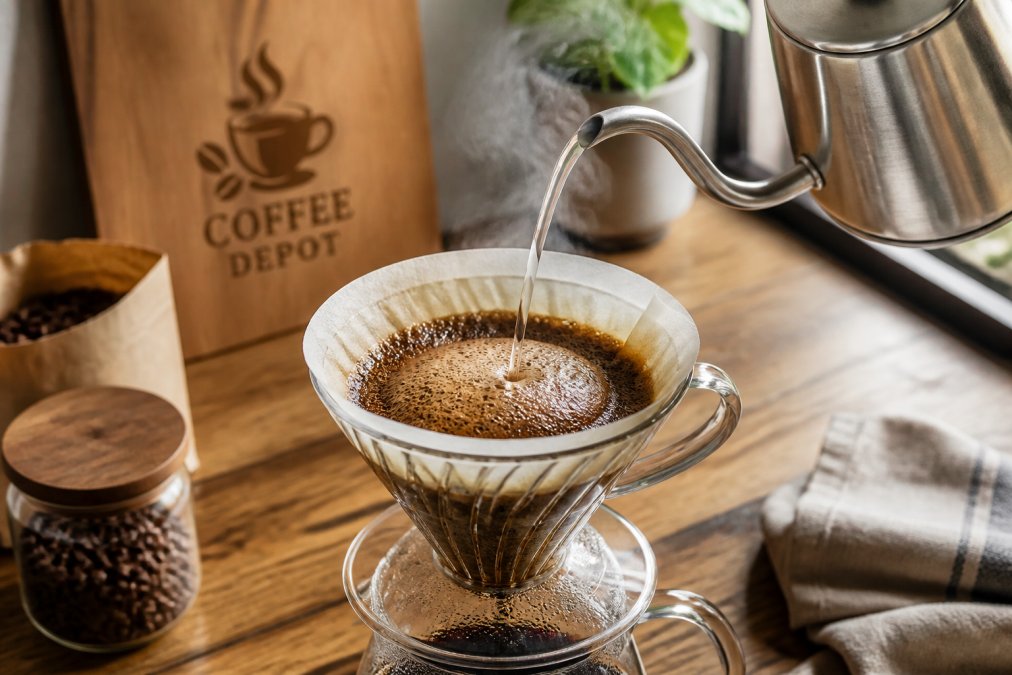
The main methods, judged on taste control and waste:
| Method | Best For | Taste Control | Waste Profile |
|---|---|---|---|
| Pour-over | Highlighting light roast acidity | High | Reusable filter, compostable grounds |
| AeroPress | Full-bodied, low-bitterness cups | High | Small paper filter or reusable disc |
| Drip with reusable filter | Daily convenience | Medium | No paper waste |
Boiling more water than you need, running an always-on drip machine, and tossing paper filters daily all add up, and a peer-reviewed study on coffee brewing's environmental impact found that the brewing stage, not the bean, often dominates a cup's footprint. Using a reusable filter and heating only the water you'll drink is the single easiest fix.

How should you store coffee beans for maximum freshness?
Store coffee beans in an airtight, opaque container at room temperature, away from light, heat, and moisture, and use them within a few weeks of the roast date. Skip the fridge and freezer for daily-use beans; condensation and odors do more damage than the cold helps. Whole beans stay fresher than grounds, so always check the roast date, not the best-by date.
Frequently Asked Questions
What makes coffee considered ethical?
Ethical coffee comes from beans sourced through fair trade or direct trade relationships that ensure farmers receive fair pay and work in safe conditions. It also involves sustainable farming practices that protect the environment. When you buy ethical coffee, you support communities and ecosystems. Coffee Depot goes further by donating $1 from every item sold to charity, making your purchase directly impactful.
Does ethical coffee actually taste better?
Yes, ethical coffee often tastes better because ethical sourcing prioritizes quality. Farmers who are paid fairly can invest in better harvesting and processing methods, leading to superior beans. Freshness also matters: Coffee Depot roasts to order and ships directly, so your beans arrive at peak flavor. The result is a more complex, enjoyable cup with clear tasting notes.
How does freshness impact the taste of ethical coffee?
Freshness is critical for flavor. Coffee beans start losing aroma and complexity within days of roasting. Coffee Depot roasts your coffee only after you order it, then ships immediately, so you get beans at their peak. Storing them properly in an airtight container away from light and heat preserves those flavors. Fresh ethical coffee delivers brighter acidity and richer mouthfeel.